
Last updated October 16, 2026
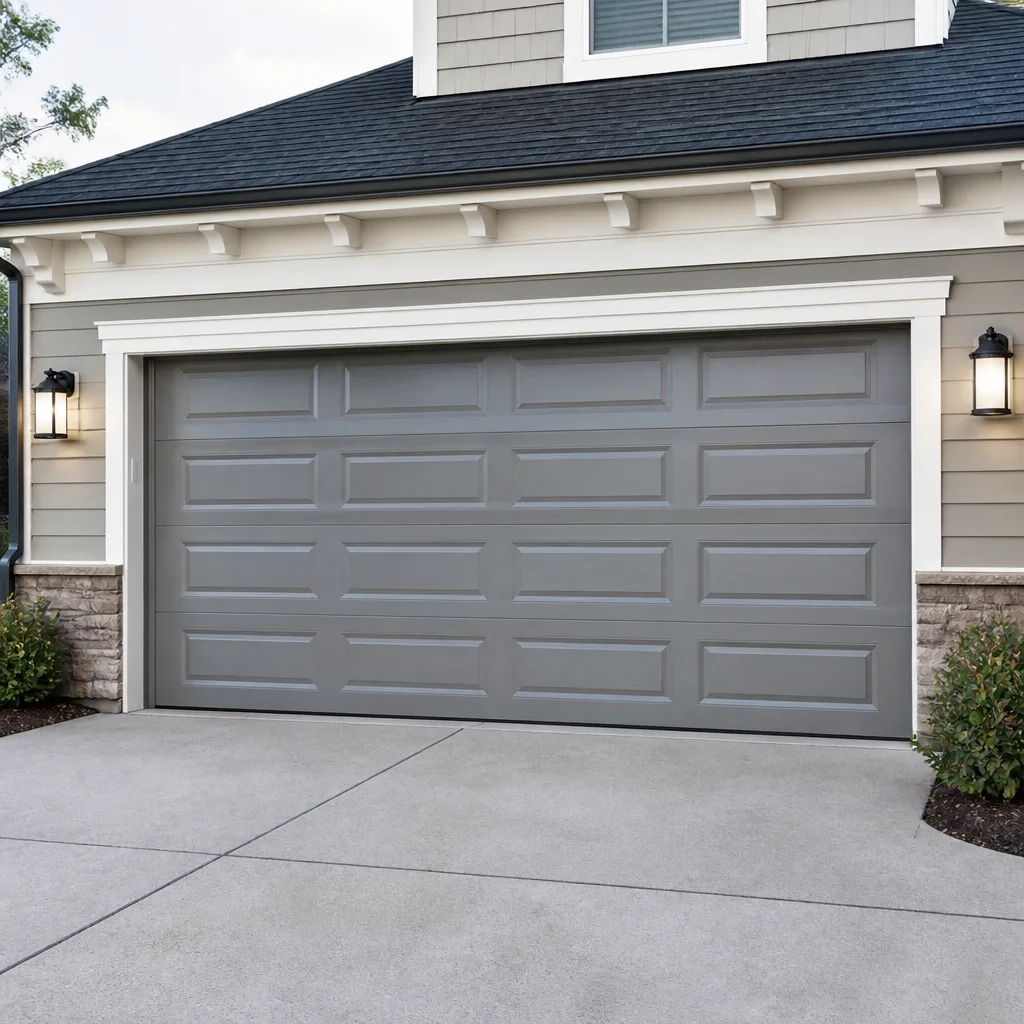 Raised-panel steel
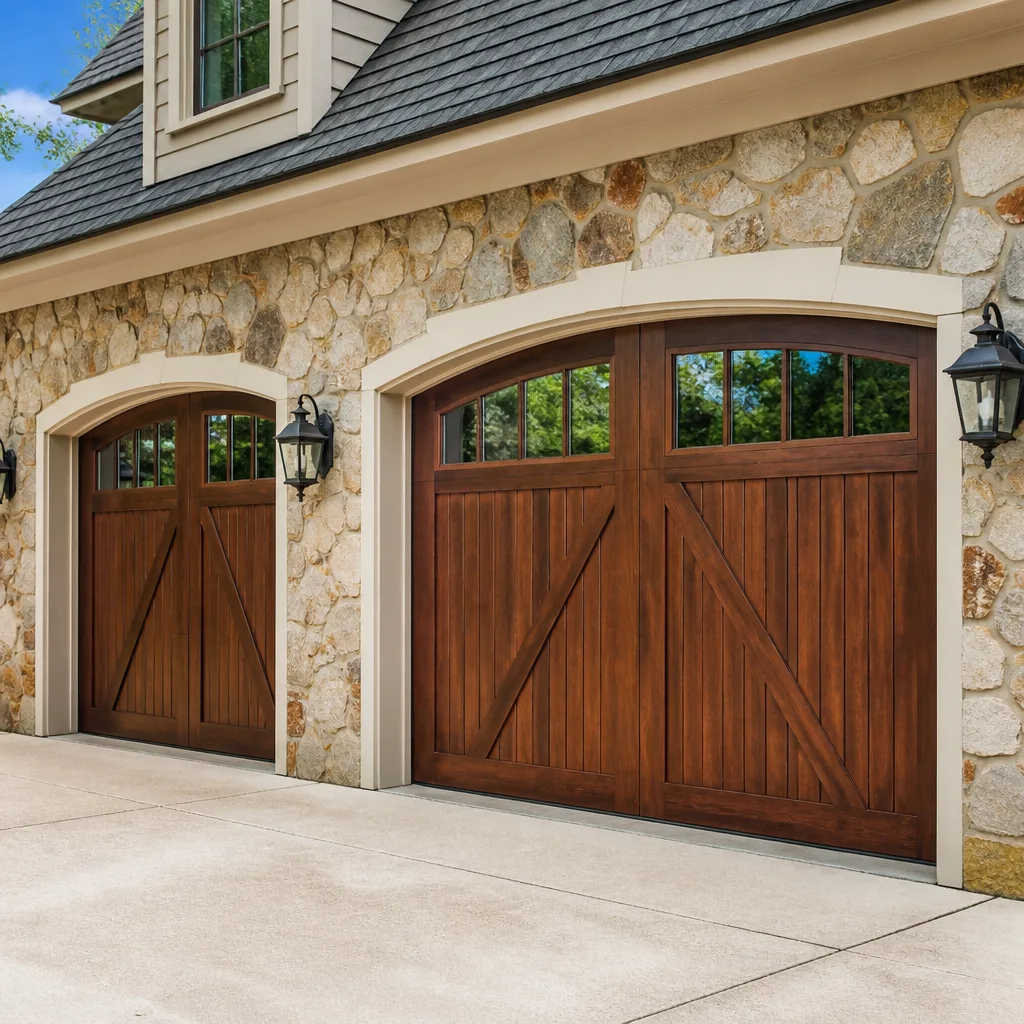 Carriage house
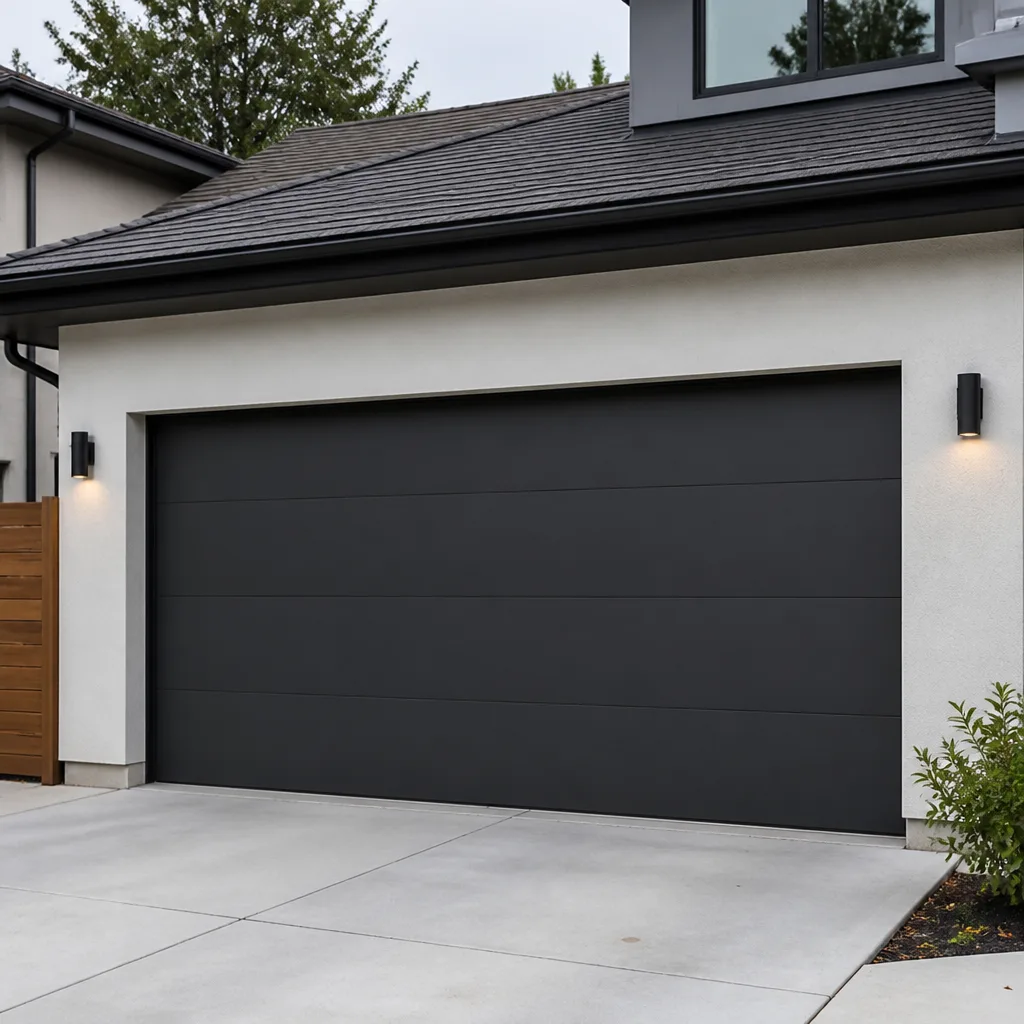 Modern flush
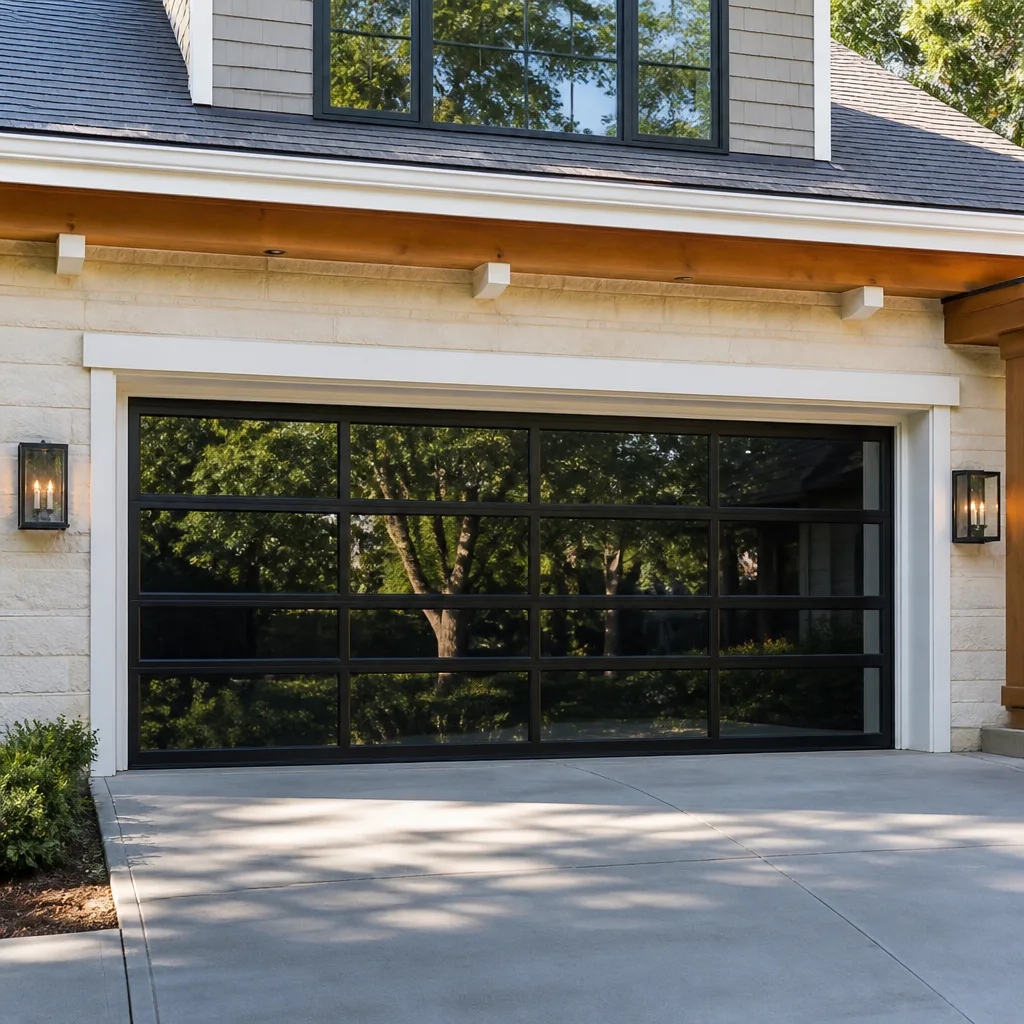 Full-view glass
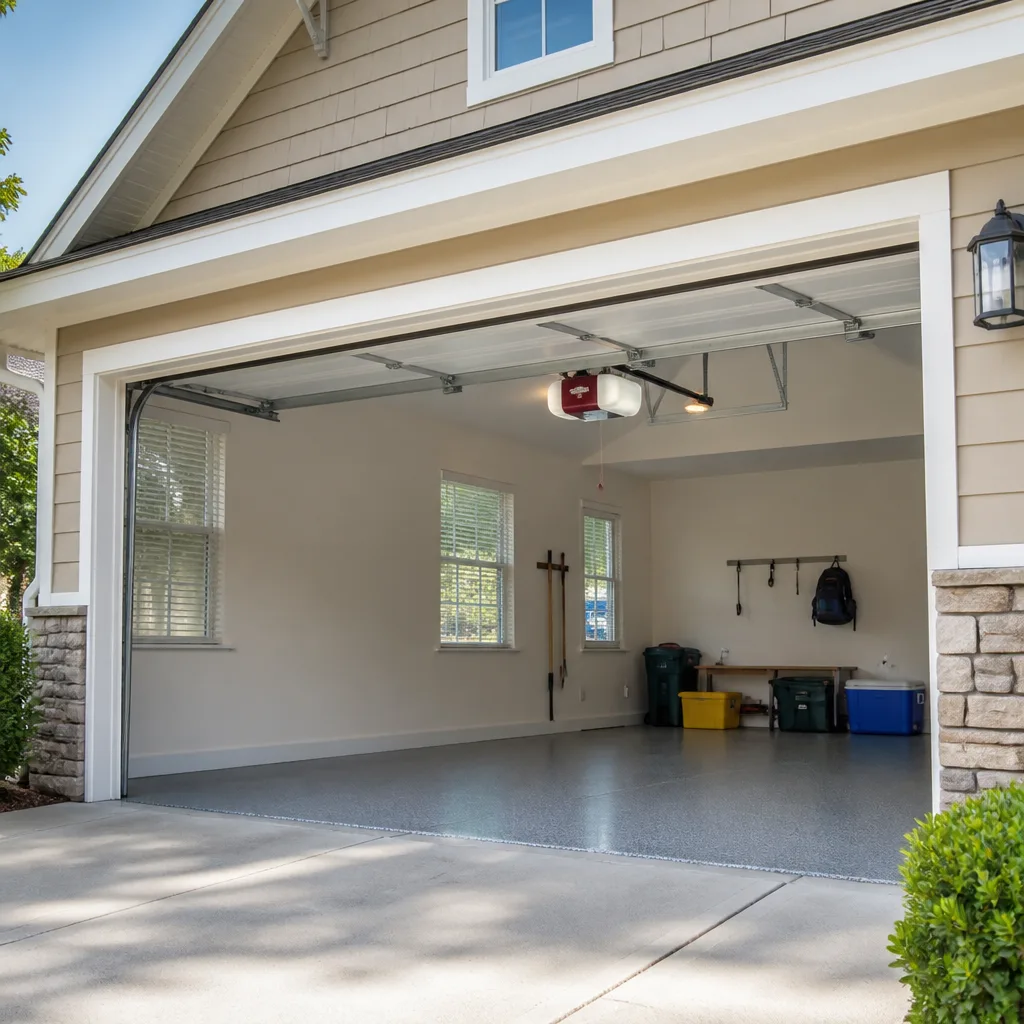 LiftMaster openers
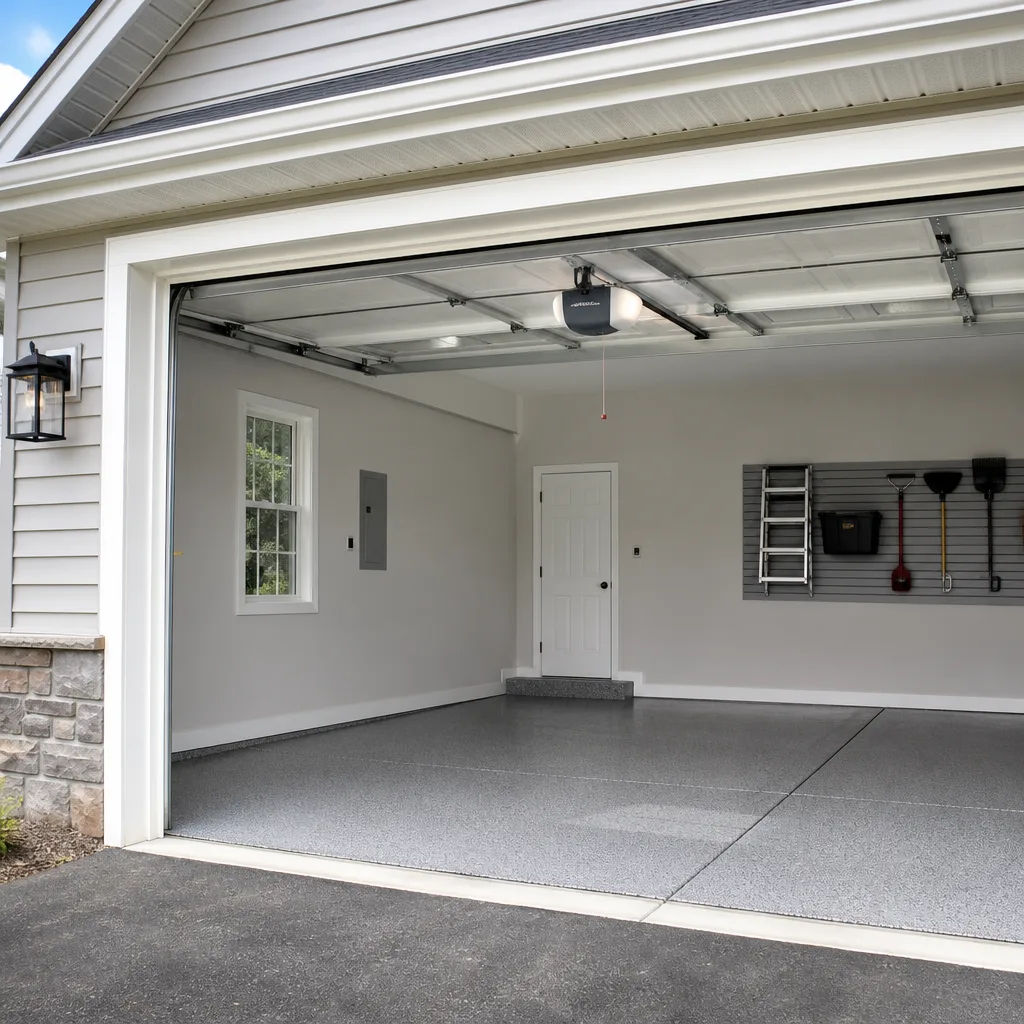 Chamberlain openers
Full 25-point door and opener safety check with every visit - springs, cables, rollers, tracks, and your LiftMaster or Chamberlain opener included
You get a price before we start. It does not change when the truck arrives.
Get your free estimateGarage Door Warning Signs: A Fresno Homeowner’s Reference Guide
A garage door that “just seems a little slow” is not an aging door being dramatic. A measurable drop in open/close speed is one of the clearest early indicators of a spring losing tension, which means the opener motor is compensating until it can’t, and then both the spring and the opener fail together, usually on the hottest day of a Fresno summer when you’re already late. This guide names the warnings precisely, explains the mechanical reason behind each one, and tells you whether you have days, weeks, or minutes before the situation becomes urgent. For a broader overview, see our The Complete Guide to Garage Door in Fresno. We’ve repaired thousands of doors across Fresno since 2001, and nearly every emergency we roll up to started as a sound or a hesitation the homeowner noticed weeks earlier and talked themselves out of.
Styles & brands we work with
Quick Answer
The warning signs that matter most on a Fresno garage door are a sudden drop in open/close speed, grinding or popping sounds that repeat in the same spot every cycle, visible gaps in a torsion spring, frayed cables, a door that reverses mid-close for no reason, and an opener that runs without moving the door. If you notice any of these, the safest move is to stop using the door, note exactly what you saw or heard, and call a trained technician. Most of these symptoms cost between $95 and $340 to fix when caught early, and become $600+ emergencies when ignored.
Table of Contents
- The Tiered Urgency System: Stop, Schedule, or Watch
- Sound-Based Diagnostics: What Grinding, Popping, and Clunking Actually Mean
- Visual Warning Signs: Torsion Springs and Cables You Can Check Safely From the Floor
- Opener Behavioral Warnings: Reversing, Short-Cycling, and Running Without Moving
- Fresno-Specific Warning Signs: Heat, Dust, and Ground Squirrels
- A Seasonal Checkup Routine for Fresno Homeowners
- Common Mistakes to Avoid
- When to Call a Professional
- Frequently Asked Questions
- The Bottom Line
The Tiered Urgency System: Stop, Schedule, or Watch
Every garage door warning sign falls into one of three categories, and you should treat them differently. We use a simple system with our Fresno customers: stop using the door now, schedule within the week, or watch and note. It takes the guesswork out of deciding whether to call a technician at 9 p.m. or wait until the weekend.
Stop Using the Door Now
These signs mean a component is actively failing and could let go on the next cycle:
- A torsion spring with a visible gap in it. The spring is no longer one piece. It is two pieces held together by nothing but tension, and when that tension releases it does so violently.
- Frayed or separated cables near the bottom roller brackets. Cables under full load. One strand snapping is the last warning before the whole cable goes and the door drops or jams hard.
- A loud bang from the garage that sounds like a firecracker. That is the sound of a spring breaking. The door will not open, or if it does, it will be dangerously unbalanced.
- Any door that reverses direction mid-close and then slams shut on the second attempt without a visible obstruction. The safety reverse system has failed, and a closing door that will not reverse is a serious injury risk, especially to children and pets.
Schedule Within the Week
These are progressive failures. You have a little time, but not much:
- Grinding or squealing that is getting louder each week. The wear is accelerating. Bearings and rollers do not heal themselves.
- Visible rust on springs or cables. Rust creates micro-pits that concentrate stress. A rusted spring is measurably closer to failure than a clean one.
- A door that hesitates at a specific point in its travel every single cycle. The problem is consistent, which means it is structural, not environmental.
- Unbalanced door behavior: if you disconnect the opener and the door drifts up or down on its own, the spring tension is wrong.
Watch and Note
These signs are worth tracking but do not require immediate action:
- Slight squeaking that stays the same volume and consistency over several weeks. Note it on your calendar. If it changes, move it up a tier.
- A gap under the door that appears only after heavy rain. Check the weatherseal for cracking. Replacement is inexpensive and you can schedule it at your convenience.
- Opener remote range that drops slightly in cold weather. This can be a battery issue. Replace the remote battery and note whether the range improves.
The tier system works because it gives you a decision rule instead of an anxiety spiral. If you are not sure which tier a symptom belongs in, call us. A live person answers at (559) 475-9590 day, night, weekends, and holidays, and we will walk you through what you are seeing and whether it needs attention now.
Sound-Based Diagnostics: What Grinding, Popping, and Clunking Actually Mean
Garage doors talk. The specific sounds they make are diagnostic information, and once you learn to read them, you will know exactly which component is complaining before you even look at the door. Here is what three distinct noises indicate, in plain language.
Grinding or Squealing: Worn Roller Bearings
A grinding noise during open and close almost always points to the rollers. Rollers are the small wheels that ride inside the vertical and horizontal tracks, and each one has a bearing inside it. Those bearings are sealed units, but after enough cycles (think 10,000 to 15,000 cycles over 15 to 25 years for a typical Fresno home), the internal grease breaks down. The bearing runs dry, then rough, then it starts eating itself. The sound is metal-on-metal, and it gets worse fast.
We replace worn rollers as part of our Garage Door Repair in Fresno service. The repair usually costs $150 to $250 depending on how many rollers have failed. Lube is not the answer at this stage. Once a bearing is grumbling, oil just masks the sound for a few days while the wear continues.
Popping or Snapping: Loose Hardware and Weak Hinges
A popping sound that happens at the same spot in the cycle every time is usually a hinge or bracket moving under load. The hinge plates are bolted to the door sections, and over years of expansion and contraction in Fresno heat, those bolts work loose. When the door flexes at that joint, the hinge shifts and pops. It sounds bad. It is also fixable for under $100 in most cases if caught before the hinge cracks.
A single loud snap followed by the door refusing to open is a broken spring. That is in the “stop using the door now” tier. Do not try to open the door manually or with the opener. Call us. A spring replacement in Fresno typically runs $180 to $340 for a pair, and we quote that price in writing before any work starts.
Rhythmic Clunking: Cable Drum or Track Alignment Issues
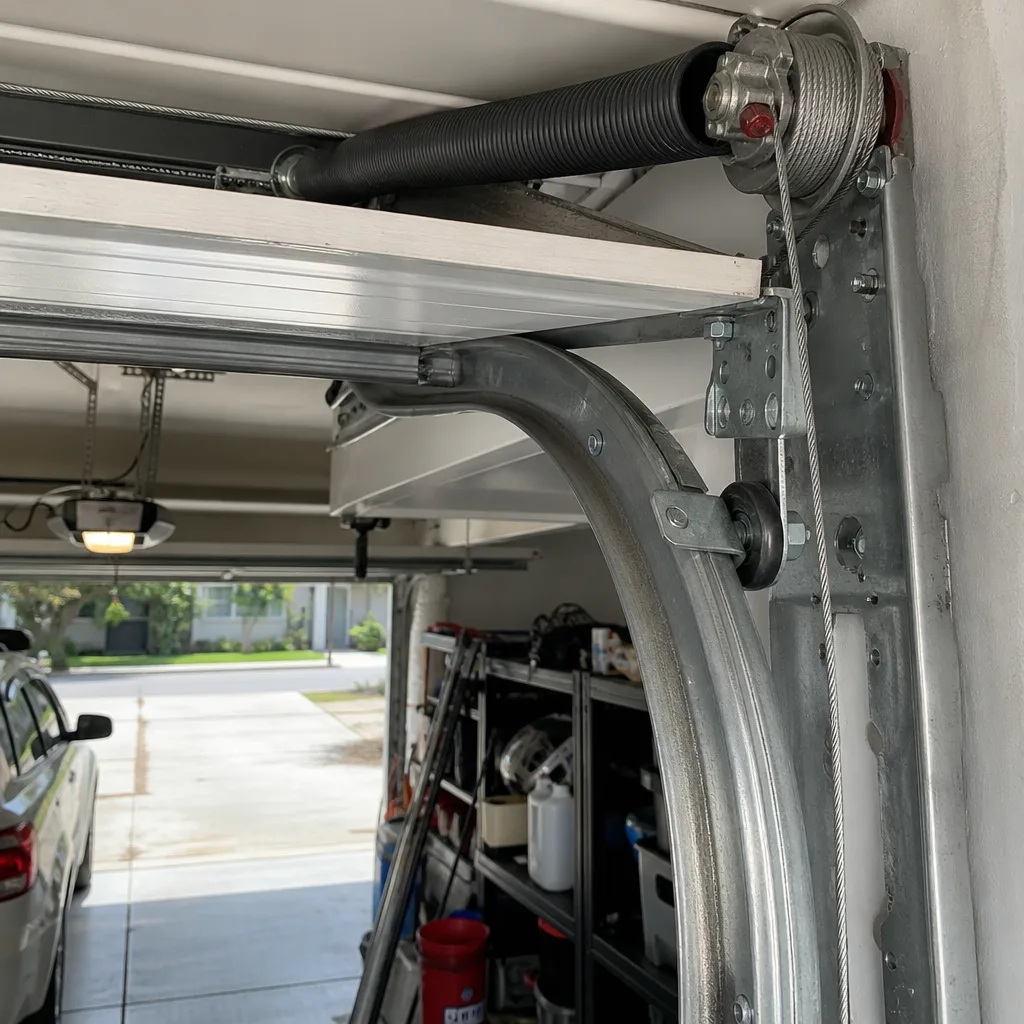
A clunk that repeats with a steady rhythm as the door moves is often the cable winding unevenly onto the drum. The drum is the spool at each end of the torsion bar, and the cable wraps around it as the door opens and closes. If the cable is not laying flat in its grooves, it rides up on itself and then drops, producing a thunk each rotation. Left alone, the cable will pop off the drum entirely, and then the door jams at an angle.
We also see rhythmic clunking with bent tracks. In Fresno, where garages get direct afternoon sun on west-facing doors, tracks expand and can bow slightly. A bowed track makes the rollers ride unevenly, and you hear it.
Visual Warning Signs: Torsion Springs and Cables You Can Check Safely From the Floor
There is a critical safety rule here: never touch a torsion spring or cable with your hand or any tool. These components are under enormous tension, and a slip can cause serious injury. You can observe them from the floor with the door closed, and that observation will tell you most of what you need to know. Here is what to look for.
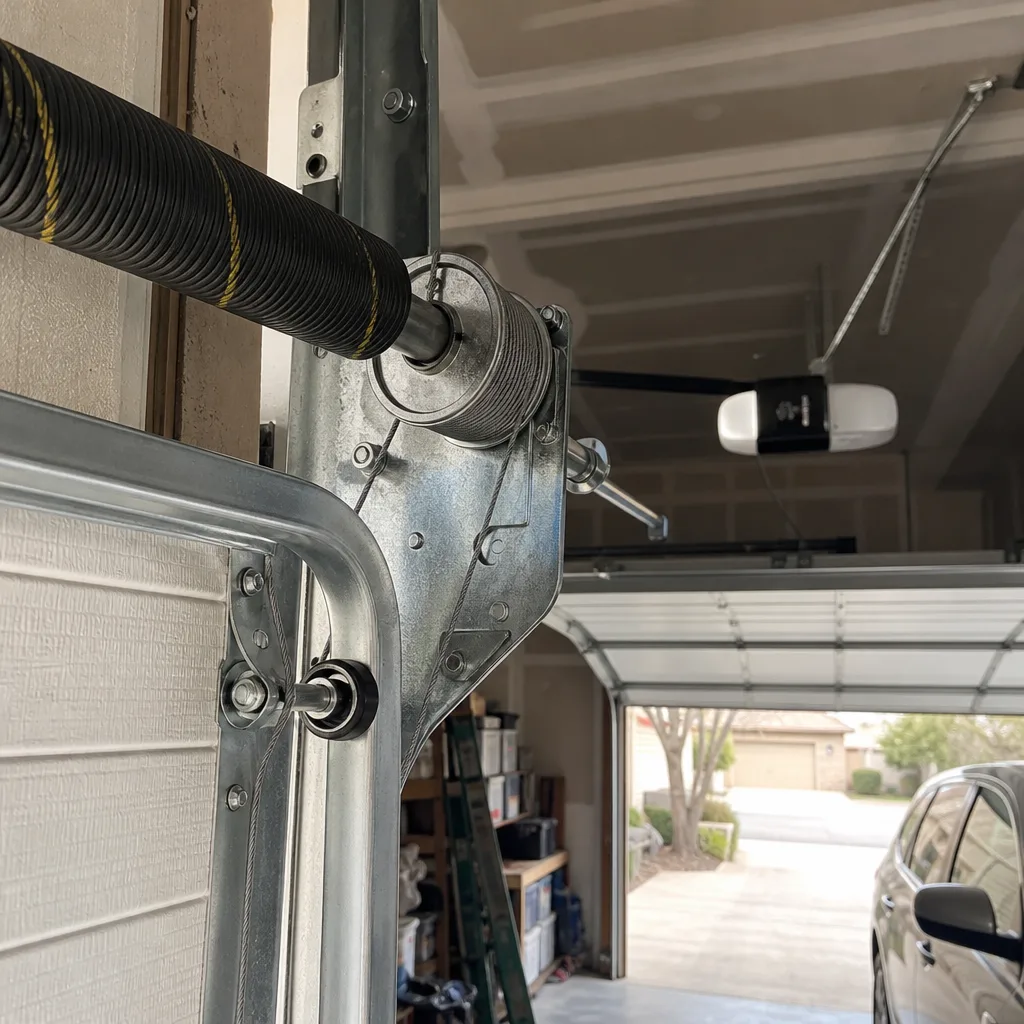
- Look for a gap in the torsion spring. The torsion spring is the large coil mounted horizontally above the door opening, centered on the header. A healthy spring is one continuous coil from end to end. If you see a break, it looks like a visible separation between coils. The spring will still be under tension, but it is no longer doing its job, and the door is carrying full weight on the opener or the other spring. Do not cycle the door. Call for service.
- Look for rust on springs and cables. Rust is not cosmetic. It is a structural warning. Fresno is dry, but condensation from temperature swings and occasional valley fog exposure puts moisture on metal components. Rusted springs lose roughly 20 percent of their fatigue strength. A spring with heavy rust is a spring on borrowed time.
- Look for frayed cables. The cables run from the bottom corners of the door up to the drums on the torsion bar. When the door is closed, the cables are visible at the bottom brackets. Fraying looks like individual strands separating from the cable body, like a rope coming unraveled. Any fraying means replacement. Cables fail under load, and when a cable fails, the door slams or jams with enormous force.
- Look at the gap under the door. With the door closed, walk around to the inside and look at the bottom weatherseal. Cracks, gaps, or daylight visible under the seal in more than one spot means rodents, dust, and hot air are getting in. Fresno’s ground squirrel population is relentless, and a damaged seal is an open invitation.
- Look at the track brackets. The metal brackets that hold the tracks to the wall and ceiling should be straight and flush. A bent bracket or a gap between bracket and wall means the track is moving under load. You may also see powder-like dust or small metal shavings on the floor near the rollers, which is bearing material. That is a grinding noise waiting to be heard.
In our experience across Fresno neighborhoods from Woodward Park to Tower District, the visual signs most homeowners miss are rust on springs and hairline cable fraying. Both are easy to see once you know what to look for, and both prevent expensive emergencies when addressed early.
Opener Behavioral Warnings: Reversing, Short-Cycling, and Running Without Moving
The opener is the brain of the system, and it behaves differently when something is wrong. We repair all major brands, including LiftMaster, Genie, and Craftsman, and the failure patterns are consistent across manufacturers. Here are three behaviors that mean something specific.
Reversing for No Visible Reason
If the door closes halfway and then reverses back up with nothing in the way, the first suspect is the photo-eye sensors. These are the small units mounted about six inches off the floor on each side of the opening. They project an invisible beam, and if anything breaks that beam while the door is closing, the door reverses. Fresno dust and cobwebs love to settle on these lenses. A simple wipe with a dry cloth fixes a surprising number of cases.
But if the sensors are clean, aligned, and unobstructed, the problem is the safety-reverse calibration inside the opener unit. That calibration tells the motor how much resistance is acceptable before reversing. When it drifts out of spec, the door reverses early and inconsistently. This is a mechanical adjustment, not a cleaning problem, and it should be handled by someone with the right training. A door that does not reverse reliably is a safety hazard, and we treat it as such. Our Garage Door Opener Repair in Fresno service includes a full calibration check on every visit.
Failing to Reach Full Open Position
If your door opens most of the way and then stops a few inches short, or it does not open all the way every time, the limit switch is drifting. The limit switch is the internal setting in the opener that tells the motor when to stop. On older units, these are mechanical dials. On newer LiftMaster and Genie models, they are digital settings. Heat causes components to expand, and in a Fresno summer, the limit setting can shift enough that the door does not reach full open or does not fully seat closed.
A limit switch adjustment is a quick fix, usually under $100. But it is also a pattern you should not keep tolerating, because a door that does not fully close is a security gap, and a door that does not fully open is a garage door that is slowly damaging its own hardware.
Running But Not Moving the Door
If the opener motor is humming or running and the door is not moving, the trolley carriage has disconnected. The trolley is the metal shuttle that rides the rail and connects to the door arm. On every residential opener since 1982, there is a red emergency release cord hanging from the trolley. If that cord gets pulled, the carriage disconnects and the motor runs without moving the door. Reconnecting is usually simple, but do not force it. The carriage only re-engages at a specific point in the cycle. If you are not comfortable, call us. We will walk you through it.
This symptom is worth mentioning because it causes a lot of panic. The opener is not broken. The door is not broken. The system just needs re-engagement. We have guided many Fresno homeowners through reconnecting a dislodged trolley over the phone at no charge.
Fresno-Specific Warning Signs: Heat, Dust, and Ground Squirrels
Most garage door guides are written generically for the entire country. They miss the warning signs that actually matter in Fresno, and some of the signs we see most often here are the ones those guides never mention. Our Seasonal Garage Door Care for Fresno: Year-Round Homeowner’s Guide covers maintenance through every season.
Track Warping from Direct Sun Exposure
Fresno gets more than 270 days of sunshine annually, and afternoon temperatures on a west-facing metal garage door can exceed 150 degrees. that heat expands the metal tracks. Over repeat cycles of expansion and contraction, tracks that were straight gradually bow. The first sign is usually a rub mark or shine spot on the inside of the track where the roller is not aligned anymore. Then comes the rhythmic clunking we described earlier. Then the roller binds, and the door jams.
The fix is a track realignment, and it is a routine repair for us. If you have a west-facing door, check for shine marks. That is the earliest visible evidence of thermal bowing.
Weatherseal Damage from Ground Squirrels and Field Mice
Fresno’s ground squirrel problem is not your imagination. These rodents chew rubber, vinyl, and almost anything else. The bottom weatherseal on a garage door is made of rubber or vinyl, and to a ground squirrel, it looks like a fun afternoon. We see chewed seals constantly in east Fresno, Clovis-adjacent neighborhoods, and anywhere near canals or open lots.
A damaged seal lets in dust (Fresno’s air quality means that dust is a constant), pests, and hot air. The seal itself is a $50 to $90 repair. The damage it can conceal is more serious: once rodents are in the garage, they chew wiring, nest in insulation, and gnaw on anything. If you see teeth marks on your seal, replace it sooner rather than later.
Dust Accumulation on Photo-Eye Sensors
Fresno’s air carries fine dust, especially during the summer and fall. That dust settles on the photo-eye lenses and causes nuisance reversing. The fix is a dry cloth, but we mention it because homeowners call us in a panic thinking their opener is failing when it just needs a lens wipe. We would rather you know this and save the service call. But if the sensors are clean and the door still reverses, stop using the door and call. That is a calibration issue, not a dust issue.
These are the conditions that make a Fresno garage door different from one in Portland or Phoenix. We know them because we work on thousands of doors here every year, and our service approach accounts for them. When we quote a Garage Door Installation in Fresno, we factor in sun exposure and pest pressure because ignoring those factors means the new door wears out before it should.
A Seasonal Checkup Routine for Fresno Homeowners
You do not need to be a technician to catch problems early. A five-minute check, done twice a year, prevents most garage door emergencies entirely. If you prefer professional help from the start, read our How to Hire a Garage Door Contractor in Fresno: A Step-by-Step Guide. We recommend doing this in March and October, before the two hardest seasons on your door: summer heat and winter fog.
- Open and close the door once, and just listen. Do not watch your phone. Do not multitask. Listen for any sound that was not there six months ago. Your ears are better diagnostic tools than your eyes for roller bearings, hinges, and springs.
- With the door closed, look at the torsion spring. One continuous coil? No gap? No heavy rust? Good. A gap or rust means it is time to call.
- Look at the cables. Both sides. Check the bottom brackets and the full run to the drums. Any fraying, no matter how minor, means replacement.
- Run the door to half open and release the emergency cord. The door should stay roughly where it is. If it drifts up into the opening or drops toward the floor, the springs are out of balance. Schedule a spring inspection.
- Inspect the weatherseal. Close the door and step inside. Look for daylight under the seal. Check for chew marks. Run your fingers (carefully) along the seal to feel for cracks.
- Wipe the photo-eye lenses. Thirty seconds per lens. It prevents nuisance reversing and extends the life of the sensor units.
That is the whole routine. Five minutes, twice a year, and you catch nearly every warning sign in this guide before it becomes an emergency.
Common Mistakes to Avoid
- Lubricating a grinding noise. Grinding means worn bearings or metal-on-metal contact. Spraying lubricant masks the sound for a few cycles while the wear continues. The right fix is replacement, and ignoring it turns a $150 roller replacement into a $400 track repair.
- Pulling the emergency release cord while the door is open. The emergency release is designed to be used when the door is closed or fully open. Pulling it while the door is mid-travel causes the door to slam under its own weight, which is dangerous and damaging. If you need to operate the door manually, wait until it is fully open or fully closed first.
- Attempting to replace a torsion spring yourself. This is the single most common cause of garage-door-related injuries in the United States. The spring is under enough tension to break bones. This is not a skill you can learn from a YouTube video. We say this as the people who get called to fix doors after the DIY attempt goes wrong, and those repairs are always more expensive than the original fix would have been.
- Watching a symptom for months because the door still works. Garage door components rarely fail without warning. The warnings happen, you notice them, and then the door still opens the next morning, so you file it under “fine for now.” That window is the difference between a $120 repair and a $700 emergency. Our tiered system above exists to help you close that gap.
- Assuming a reversing door is always a dirty sensor. We covered this, but it bears repeating. Clean sensors fix a lot. If cleaning does not fix it, the safety-reverse calibration is off, and that is a safety issue, not an inconvenience. Do not keep overriding the door with the wall button. Call someone.
- Ignoring a visible gap in the torsion spring because the door still goes up. A broken spring sometimes still allows the opener to lift the door, especially on newer openers with strong motors. But the door is operating with half its intended lifting force, and the opener is overworking. Left alone, this destroys the opener motor and creates a dangerous condition where the door can drop unexpectedly.
When to Call a Professional
You should call a professional when the warning sign involves any component under tension (springs, cables, hinges that flex under load), when the opener’s safety behavior is inconsistent, or when you have run through the basic checks and the symptom persists. You should also call when you simply do not feel safe diagnosing the problem yourself. That is not a shortcoming. These doors are heavy machinery, and they command respect.
What you should expect when you call us is different from what you are used to with other service companies. We send the technician’s name and photo before they arrive. We answer the phone with a live person, 24/7, not a voicemail tree. And when the technician shows up, they are uniformed, background-checked, and carrying photo ID under the Threshold Standard. You never have to wonder who is at your door. Doyle Garage Doors Fresno offers free estimates in Fresno. Call (559) 475-9590 and we will schedule a visit at your convenience.
Frequently Asked Questions
Garage door spring repair in Fresno typically costs between $180 and $340 for a pair of torsion springs, depending on the door weight and spring type. That price includes the springs, the labor, and the written guarantee. We give you the exact price in writing before any work begins, and it does not change when we see the door.
A spring about to break typically shows one or more of these signs: visible rust that covers more than a third of the spring, a small gap or separation in the coils, a door that suddenly feels heavier, or a grinding noise that has recently replaced a squeak. If you see a visible gap, the spring has already broken, not about to. Stop using the door and call for repair.
If your garage door reverses with no visible obstruction, the most common cause in Fresno is dust on the photo-eye sensor lenses. Wipe them with a dry cloth and try again. If the door still reverses, the safety-reverse setting inside the opener has drifted and needs recalibration. Do not continue to override the door with the wall button. Call a technician, because a door that does not reverse reliably is a serious safety risk.
Yes, and it does so in specific ways. Direct summer sun on west-facing doors heats the metal tracks past 150 degrees, and over time the thermal cycling bows the tracks out of alignment. Ground squirrels chew through weatherseals, and that lets dust and pests into the garage. Few general garage door guides mention these conditions, but they are routine for us in Fresno.
Garage door springs are rated in cycles, not years. A standard spring rated for 10,000 cycles lasts roughly 7 to 12 years for a typical Fresno household that uses the door twice a day. High-cycle springs rated for 20,000 to 30,000 cycles can last 15 to 25 years. If your door is used more (kids, in-laws suite, workshop access), the springs wear faster. We can install high-cycle springs on most doors, and they cost roughly 30 percent more and last double to triple as long.
Yes. We provide free estimates on all garage door repair and installation work in Fresno. The estimate is written, it includes the full scope and price, and it is handed to you before any work begins. If we find something else wrong during the repair, we show you first and get your approval before adding anything to the invoice. Call (559) 475-9590 to schedule.
The Bottom Line
Your garage door is the largest moving object in your home, and it talks to you constantly. The grinding, the hesitating, the popping, the visible rust, the frayed cable strands: those are not noises and quirks. They are timestamps. Each one represents a window of time between a cheap, predictable repair and an expensive, dangerous emergency. In Fresno, where heat, dust, and ground squirrels put extra stress on every component, those windows close faster than manufacturers predict. Learn the tiers. Check your door twice a year. And when a warning sign moves into the “stop” tier, stop. For additional help, explore our more guides & resources. Call someone who will tell you the truth, quote the price in writing, and show you who is coming before they ring your doorbell.
Written by Aaron Teague, Owner at Doyle Garage Doors Fresno, serving Fresno since 2001.
See the difference
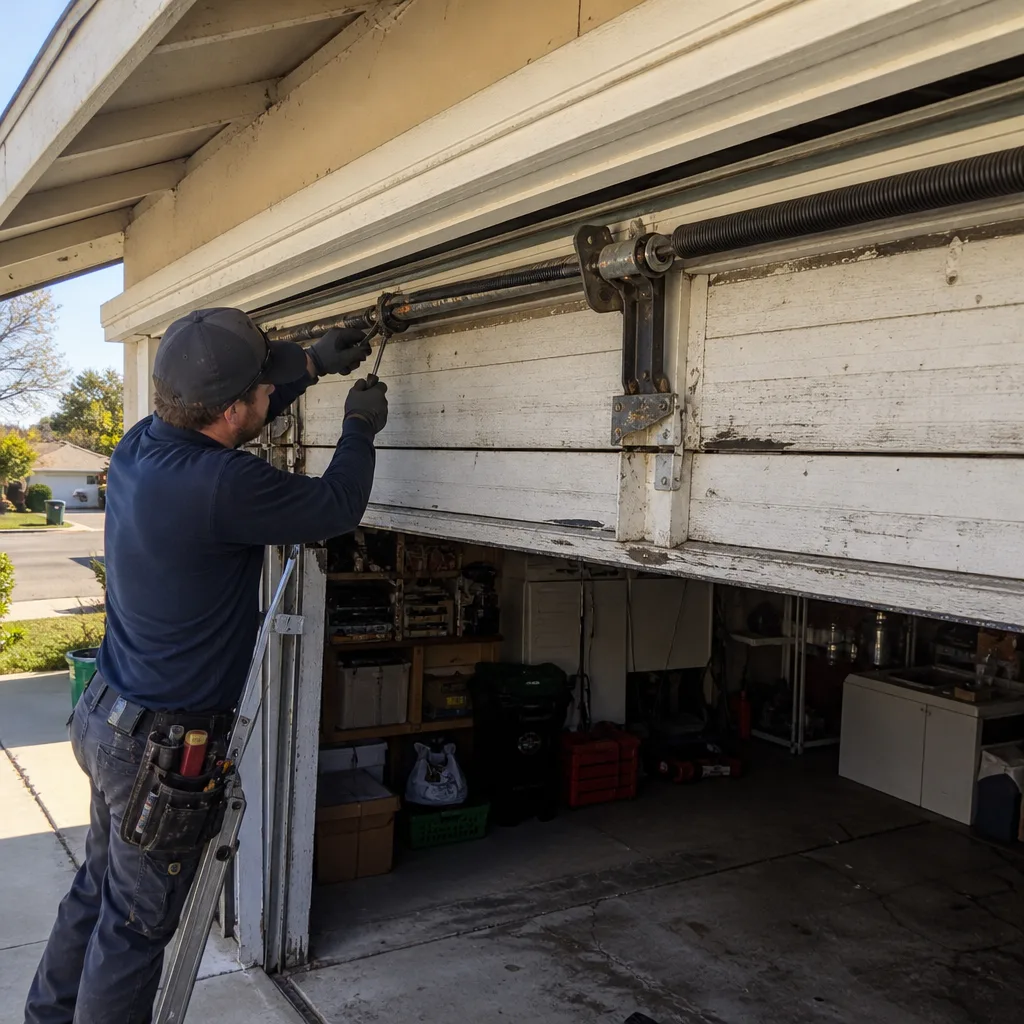 Before
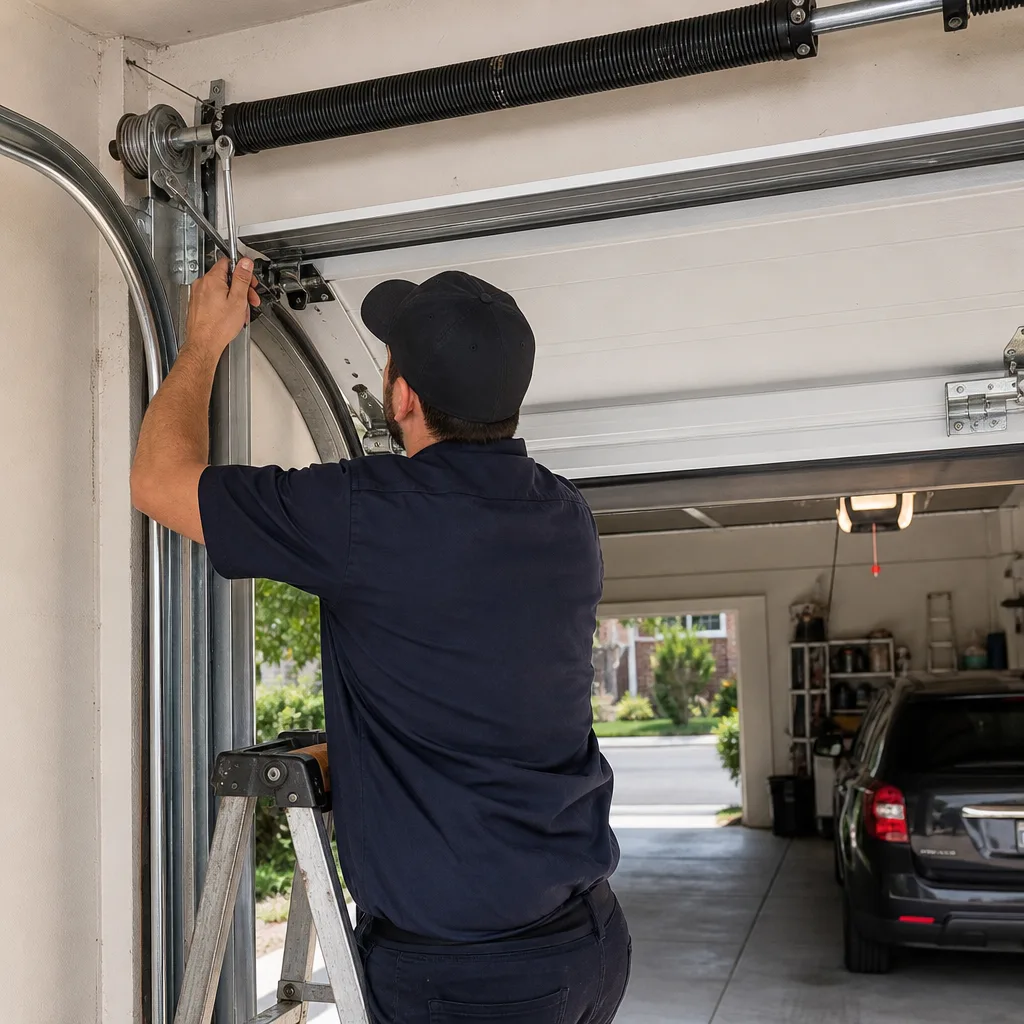 After
After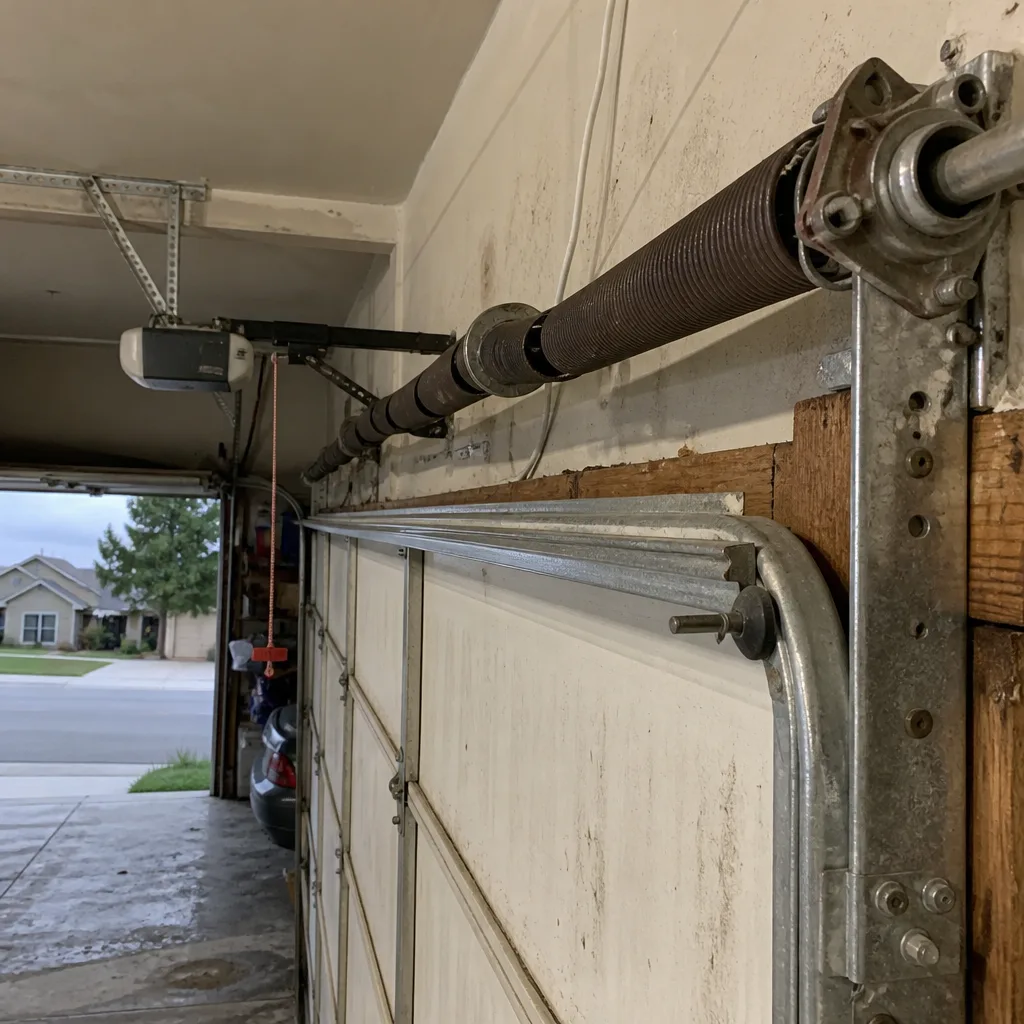 Before
 After
After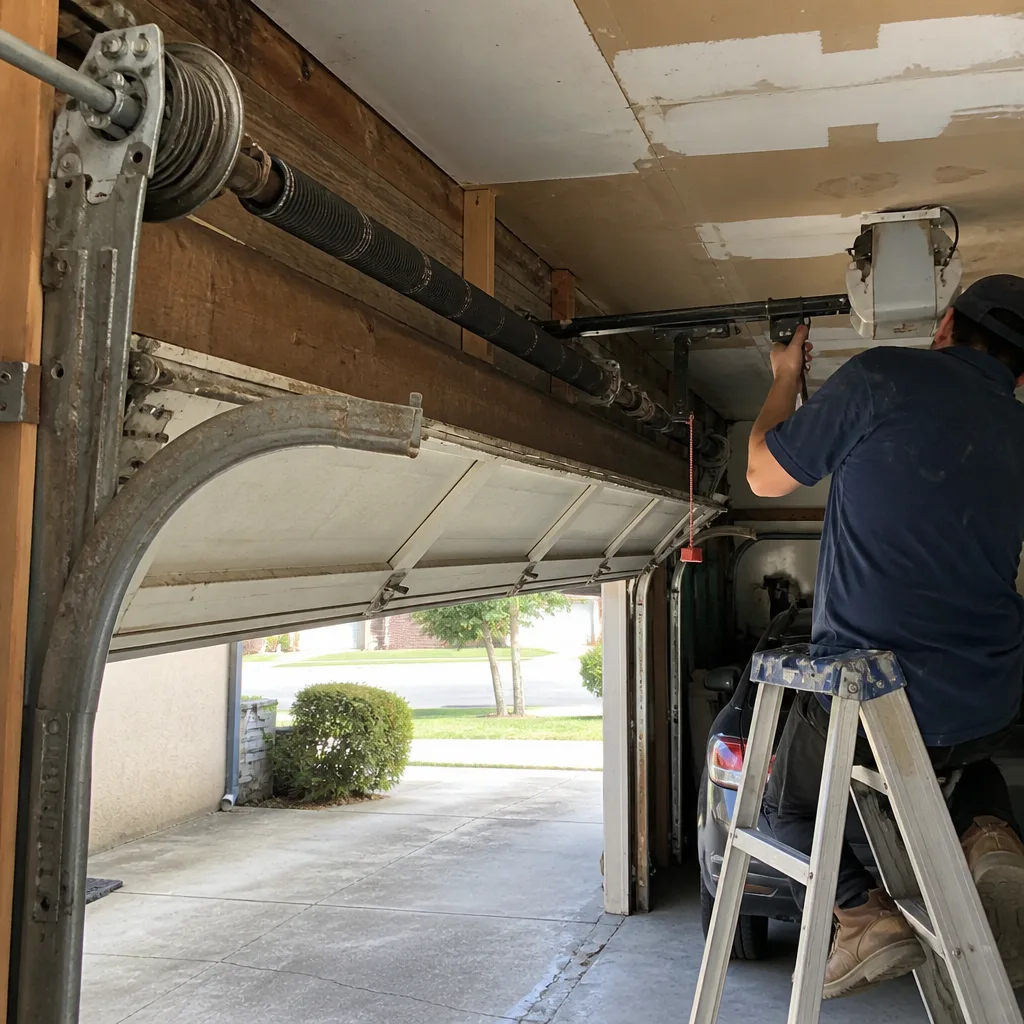 Before
 After
After