
Last updated October 16, 2026
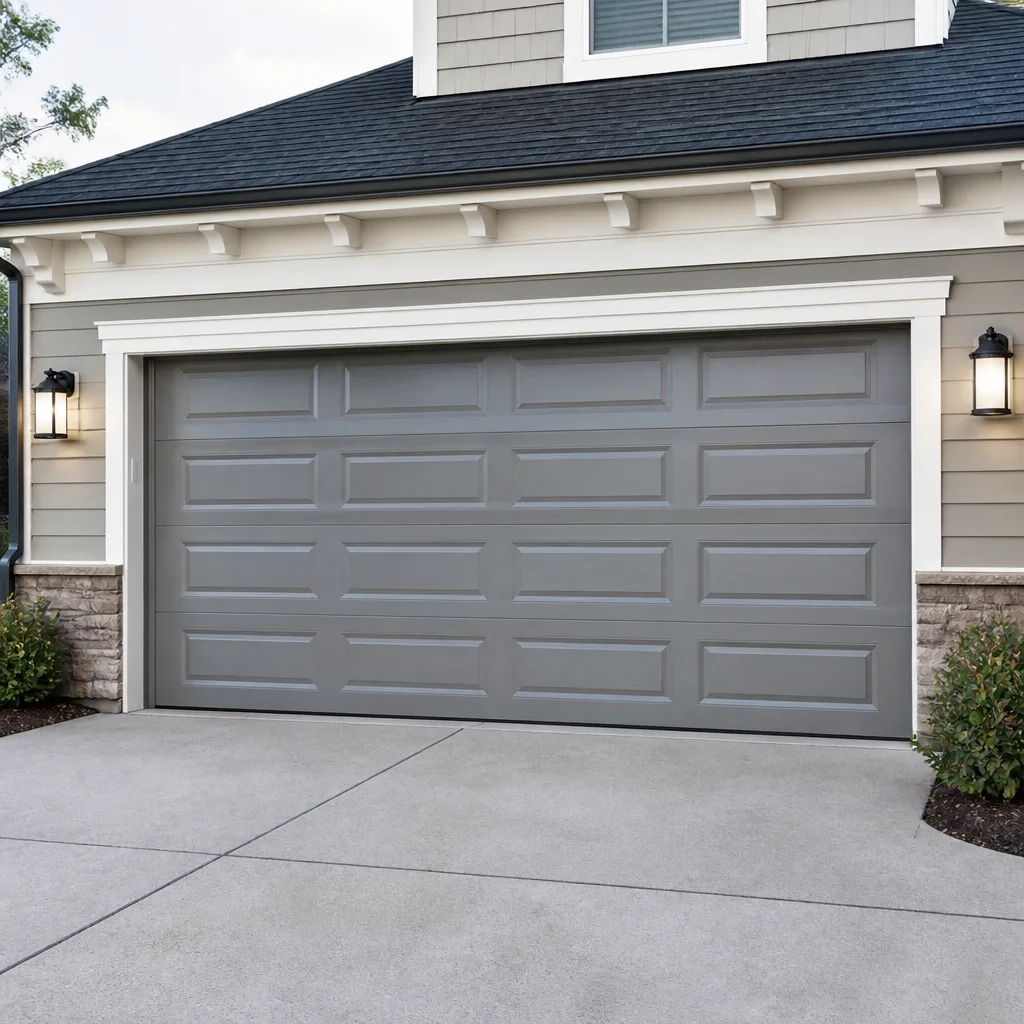 Raised-panel steel
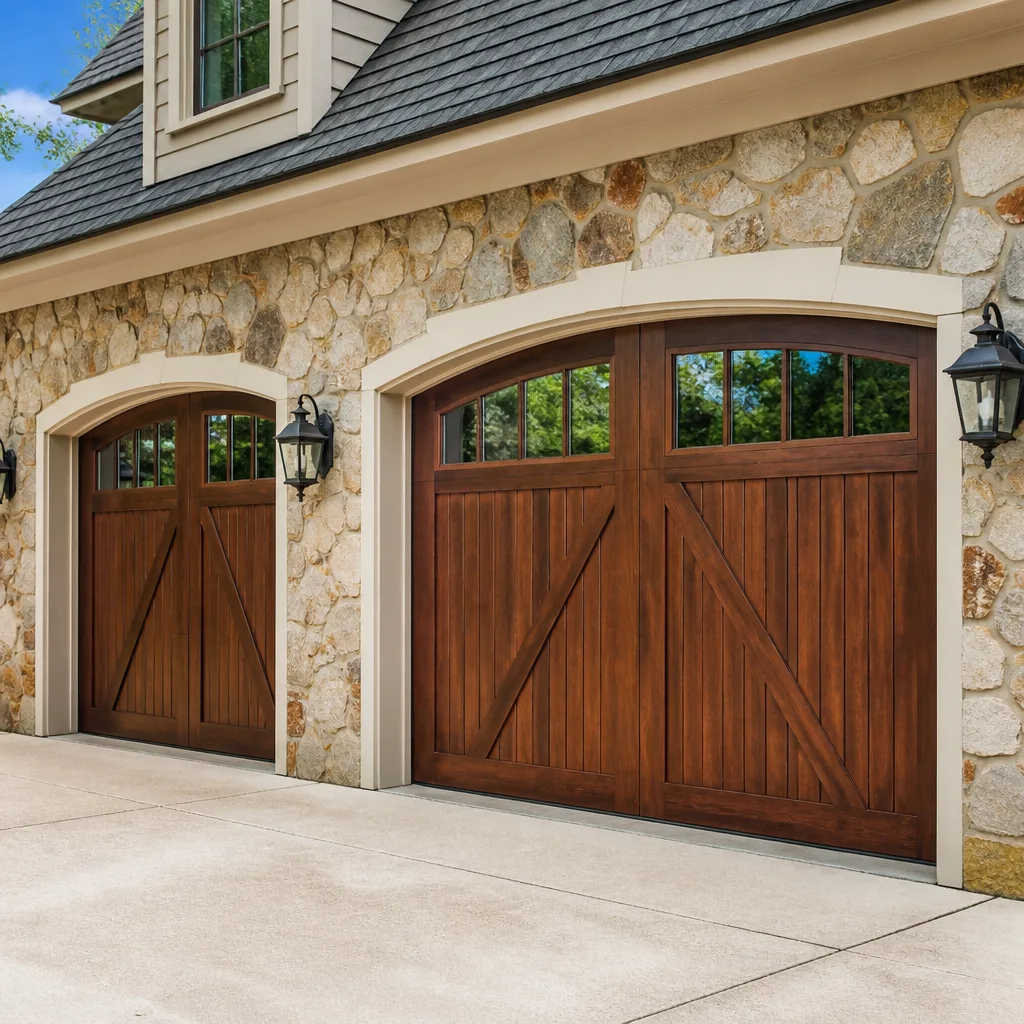 Carriage house
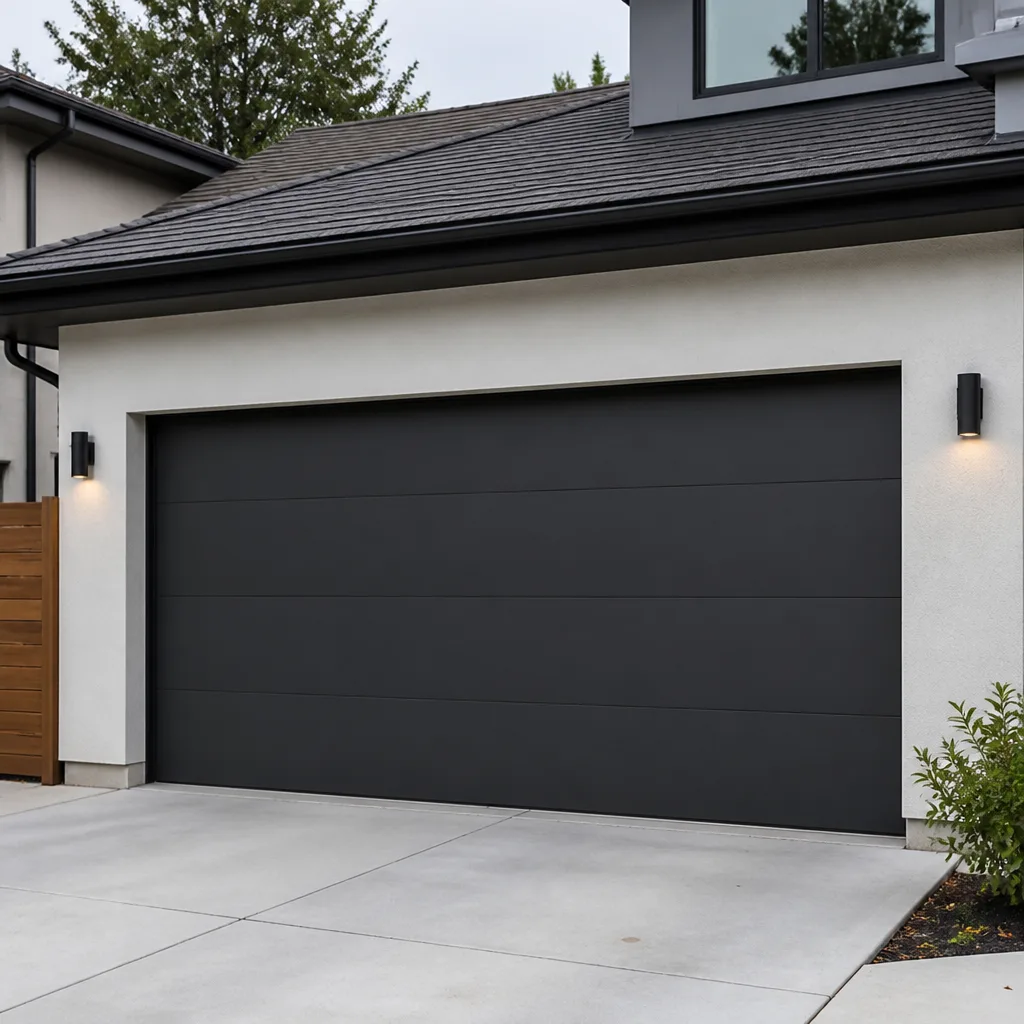 Modern flush
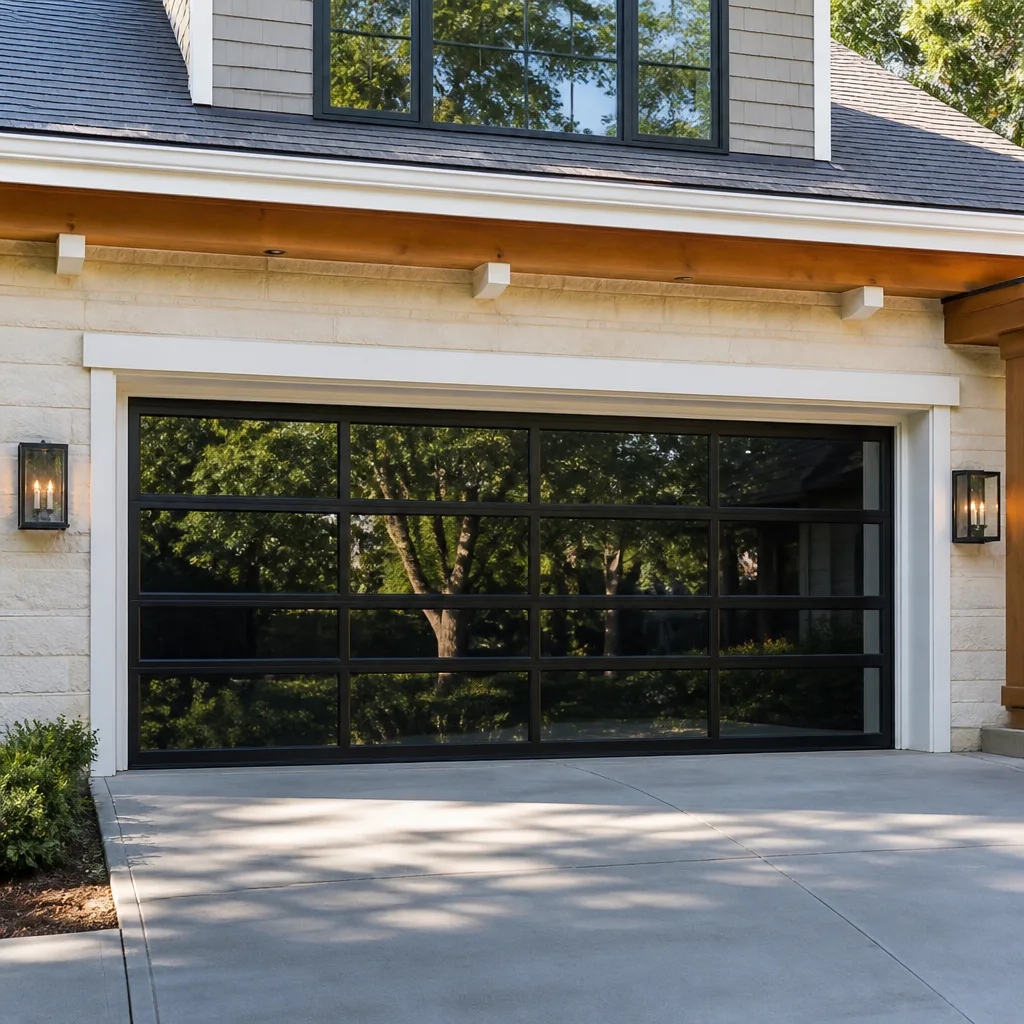 Full-view glass
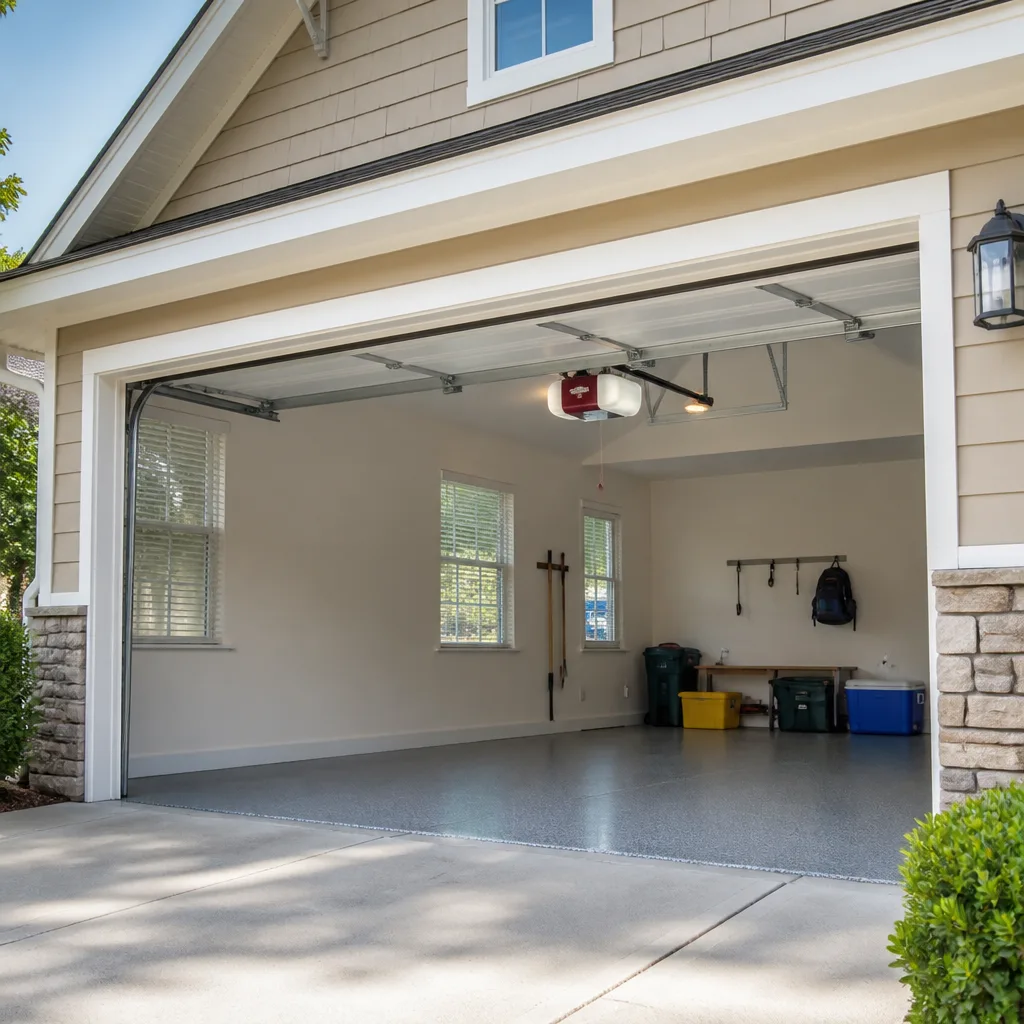 LiftMaster openers
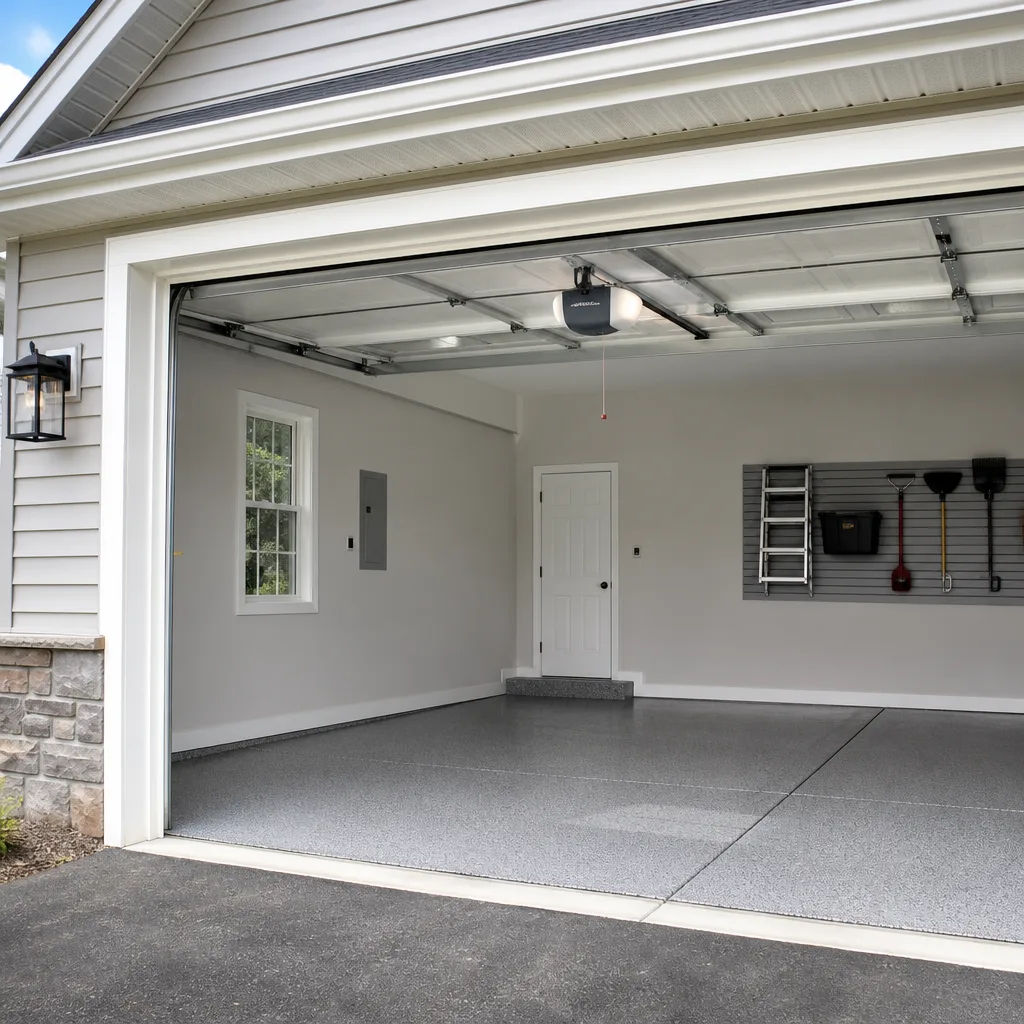 Chamberlain openers
Full 25-point door and opener safety check with every visit - springs, cables, rollers, tracks, and your LiftMaster or Chamberlain opener included
You get a price before we start. It does not change when the truck arrives.
Get your free estimateDIY vs Professional Garage Door: The Fresno Homeowner’s Decision Guide
Here’s a number that should stop you cold: the torsion spring mounted above your garage door is wound under enough tension to lift a 150 to 400 pound door, and when that spring lets go, the stored energy releases in roughly one-tenth of a second. That’s faster than a human blink. In Fresno, where summer heat pushes attic temperatures past 140 degrees and garage doors cycle twice as often as coastal homes, springs fail regularly. This guide draws the exact line between what you can safely do yourself and what requires a trained professional, based on California code, real injury data, and what we’ve seen across thousands of Fresno garage doors since 2001.
Quick Answer
The DIY-versus-professional question for garage doors isn’t about how handy you are. It’s about which tasks California code and basic physics permit a homeowner to do safely, and which ones carry injury risk or insurance liability that makes professional work the only rational choice. You can absolutely handle lubrication, sensor alignment, and limit switch adjustments yourself. Torsion spring replacement, cable work, and bottom bracket repairs should always go to a licensed professional, because the cost of a mistake far exceeds the money you’d save.
Styles & brands we work with
Table of Contents
- Where the Line Actually Is: Safe vs. Do-Not-Touch
- The Three DIY Tasks Every Fresno Homeowner Should Do
- The Four Tasks You Should Never DIY (And Why)
- California Code and Your Insurance: What DIY Can Cost You
- Cost of Mistake: What Failed DIY Actually Costs in Fresno
- Repair or Replace: How to Know Which Makes Sense
- How to Evaluate Your Specific Door and Opener
- The Brand Factor: What Your Opener Means for DIY
Where the Line Actually Is: Safe vs. Do-Not-Touch
The real dividing line on garage door work has nothing to do with mechanical aptitude. It has to do with stored energy and code liability. A garage door has two energy systems: the door’s own weight, and the stored torque in the springs. Anything involving the first system under controlled conditions is manageable. Anything involving releasing or re-tensioning the second system without proper tools and training is genuinely dangerous.
Here’s the task-by-task breakdown:
- Safe DIY: track lubrication, roller inspection, sensor cleaning and alignment, limit switch adjustment, opener programming, weather seal replacement, visual inspection.
- Professional only: torsion spring replacement, extension spring replacement, cable replacement or adjustment, bottom bracket repair, panel replacement, track realignment, opener motor replacement.
The logic is simple. The safe tasks involve adjustment, cleaning, and alignment of components you can see and touch without releasing tension from the spring system. The dangerous tasks require you to work on, near, or with the mechanism that holds hundreds of pounds of stored force. Our garage door repair team in Fresno has rebuilt dozens of doors where a homeowner attempted spring work and got lucky once before the door came down the second time.
Fresno’s specific climate adds another layer. Our dry summers mean metal components contract and expand less than humid climates, but our dust is punishing. Fine Central Valley dust works into bearing surfaces and accelerates wear on springs and rollers. A door that’s been cycling daily through three 100-degree months needs different assessment than a coastal door of the same age.
The Three DIY Tasks Every Fresno Homeowner Should Do
There is real value in knowing your door well enough to maintain it. Three tasks stand out as genuinely appropriate for a homeowner to perform, and doing them consistently adds years to your door’s life while preventing most common failures.
1. Lubrication (every 6 months, fall and spring)
Fresno’s dry air and summer dust mean friction and grit accumulation on moving parts. Buy white lithium grease for the tracks and hinges, and a spray-on lubricant designed for garage door springs. The torsion spring itself should be lubricated along its entire coil length, not just where it looks dry. Run the door through a full cycle after lubricating to distribute the product.
What you’re doing matters more than what you use. Spraying lubricant on the inside of the track is a common mistake: the track guides the rollers, and adding grease there collects dust and creates the exact stickiness you were trying to avoid. Lubricate the roller bearings and hinges, not the track surface itself.
2. Sensor Alignment (as needed)
The photo eye sensors on either side of your door, roughly six inches off the ground, are the safety mechanism that stops the door if a child or pet crosses the path. Fresno homes settle over time, especially in older neighborhoods like Tower District and Fig Garden, where foundation movement can knock sensor brackets out of alignment.
If your door won’t close and the opener lights blink, check the sensors first. Both sensors have a small light that should be solid, not blinking. Loosen the wing nut holding the sensor, adjust it so the lights are steady and solid, then tighten. That fixes the problem about half the time without a service call.
3. Limit Switch Adjustment (occasionally)
The limit switch controls how far the door travels before stopping. If your door slams onto the floor and bounces back up, or stops two inches short, you adjust the limit switches. On a LiftMaster opener, the limit controls are on the side of the motor unit, typically behind a plastic access panel. On older Craftsman and Chamberlain openers, you’ll find dial controls on the back of the unit. Turn in quarter-turn increments, test, and repeat.
This is a legitimate DIY job, but do it carefully. Adjusting the limit too far down can cause the door to slam and damage panels. Too far up leaves a gap at the floor. Go slow.
What You’ll Need for Basic DIY Maintenance
- White lithium grease spray
- Small adjustable wrench
- Clean rag
- Step ladder (door height dependent)
- Level (for sensor bracket alignment)
- Your owner’s manual or brand-specific programming guide
None of this requires more than an hour, and each task directly addresses the most common reasons garage doors in Fresno either stop working or become noisy enough to bother the neighbors in a place like Woodward Park.
The Four Tasks You Should Never DIY (And Why)
This is where the line hardens. Four garage door repairs are non-negotiable professional work. Not because they’re hard to understand, but because the physics involved don’t care how careful you are.
1. Torsion Spring Replacement
A torsion spring is the large coil mounted horizontally above your door. When the door is closed, that spring is under maximum tension, storing the energy needed to lift the door’s full weight on the next cycle. The spring is wound to a specific torque setting based on the door’s exact weight, and every cycle of the door winds and unwinds that spring through metal fatigue.
When a torsion spring snaps, it releases between 300 and 500 foot-pounds of torque instantly. If you’re in the path of that release, or if a winding bar slips while you’re attempting to re-tension a new spring, that bar moves faster than your hand can react. Every year, DIY torsion spring attempts cause serious injuries: broken wrists, facial lacerations, and worse. This is not a hard DIY job. It’s a do-not-DIY job, full stop.
2. Cable Replacement
The cables running along both sides of your door connect the bottom brackets to the drum at the top. They look simple, but they’re load-bearing. When a cable frays or snaps, the door unevenly loads its remaining spring tension, and the door can drop suddenly. Replacing cables requires loosening the spring tension enough to free the cable, which means you’re back to the torsion spring problem. The cable itself might be a $15 part. The risk of working on it is the same as a spring.
3. Bottom Bracket Repair
The bottom brackets hold the cable ends and take the full weight of the door every time it moves. These brackets are bolted to the bottom panel under massive load. Unbolting them without properly securing the door with the spring system de-tensioned is asking for the door to drop. In our experience, most bottom bracket failures in Fresno happen on doors 12 years or older, often in the Tower District and Sunnyside neighborhoods where original doors from the 1990s are still in service.
4. Full Track Realignment
Track alignment work often involves pulling the door into vertical or horizontal adjustment while it’s still suspended. If the track is bent or pulled away from the wall, the door may be binding and holding pressure. Releasing that pressure while it’s misaligned causes unpredictable door movement. It’s not about skill. It’s about needing the door securely braced and the spring tension managed while you work, which is exactly what a professional team does every day.
California Code and Your Insurance: What DIY Can Cost You
California doesn’t require homeowners to pull a permit for most garage door maintenance or replacement. But there’s a difference between what’s technically legal and what your insurance company will accept if something goes wrong.
Under California Civil Code, if you do your own spring work and the door later drops on your car, or on a person, your homeowner’s insurance may look at that claim through a different lens. The insurance adjuster will ask who performed the last service on the door. If the answer is “I did,” and the work involved a torsion spring or cable, the claim can be denied on the grounds of unqualified maintenance creating a known hazardous condition.
At home sale time, a seller’s disclosure forms also ask about known defects and recent repairs. A spring that was replaced by a non-licensed individual and later fails can create liability that transfers to the new owner and comes back to the seller. We have seen real estate transactions in Fresno’s newer subdivisions, like Harlan Ranch and Copper River, get held up when unauthorized spring work surfaced on a pre-sale inspection.
The practical upshot: a $40 spring from a big-box store, if improperly installed, can jeopardize a $500,000 home sale. The math is not close.
Cost of Mistake: What Failed DIY Actually Costs in Fresno
Here’s the number that should guide your decision. A professional torsion spring replacement in Fresno typically runs between $180 and $340, including the spring, all labor, and a written warranty. A DIY attempt on the same repair, if it goes wrong, usually results in one of three outcomes:
- Property damage: a door dropping uncontrolled onto a car hood: $800 to $2,500 in body work, before the door repair is even addressed.
- Personal injury: any emergency room visit in Fresno for a hand or facial injury from a winding bar or spring release: $1,500 to $15,000, depending on severity and whether surgery is required.
- Double work: you buy the spring, realize mid-attempt that you don’t have the right tools or the correct spring for your door’s weight, and call a professional anyway: the $40 to $80 you spent on the spring is waste, plus the full professional price on top.
The most common failed DIY story in Fresno goes like this: the homeowner buys a spring online, installs it with the wrong wind count, and the door balances badly. It opens partway, strains the opener, wears out the new spring in six months, or slams on the way down because the spring can’t hold the door’s weight. What started as a $40 job becomes a $300 professional repair plus whatever the opener or panel damage added.
Compare that to calling the professionals at Doyle Garage Doors Fresno. The spring arrives on the truck, the technician calculates the correct spring based on the door’s actual measured weight, installs it, tests the balance through a full cycle, and the repair is covered in writing for a full year. The price is quoted and agreed before any work starts, so there’s no mystery invoice at the end.
Repair or Replace: How to Know Which Makes Sense
On doors older than 15 years, you need to think about the economics differently. A single torsion spring replacement is $180 to $340. If your door is that old and also needs panel repair, track work, and a new opener, the math starts tilting toward replacement.
Here’s the decision framework we use with Fresno homeowners:
- Door age: if the door is under 10 years, repair almost always makes sense. Between 10 and 15 years, evaluate the specific failure. Over 15 years, factor in what else will fail soon.
- Failure pattern: if this is your second or third repair in 18 months, the door is telling you something. Multiple failures in sequence means the door is reaching end-of-life, and each repair is buying time, not reliability.
- Panel condition: Fresno’s summer heat warps panels over time, especially on west-facing doors. If you have visible bowing or cracking, panel replacement is expensive enough that a full door replacement often costs only slightly more.
- Opener age: openers last 10 to 15 years. If your opener is limping and the door itself is fine, opener replacement alone is reasonable. If both are at end-of-life, bundling replacement is smarter economically.
- Long-term plans: if you’re selling within three years, a new door recovers cost at resale in Fresno’s competitive market. Buyers notice garage doors and garage function more than most other home systems.
For genuine replacement needs, our garage door installation team in Fresno handles doors from all major brands including Clopay, Amarr, and Wayne Dalton, with the same written price before work and written warranty on every job. If opener replacement alone is the issue, our opener repair services cover Fresno with factory-trained technicians who know LiftMaster and Genie programming inside out.
How to Evaluate Your Specific Door and Opener
Before you do anything to your garage door, you need to know three things about your specific setup. These three facts determine both what you can safely DIY and what your professional options are.
1. Door weight and spring type. The sticker on the side of your door or the side of the torsion tube lists door weight and model. You need this to know what spring replacement requires and whether your door is a standard residential unit or a heavier commercial-style door. A 400-pound door requires a different spring than a 150-pound door, and getting that wrong is exactly where DIY spring replacement goes off the rails.
2. Opener brand and programming accessibility. LiftMaster and Chamberlain openers use different programming sequences than older Craftsman or Genie units. If you’re doing anything involving the opener, from reprogramming a remote to adjusting limits, find your model number first. It’s printed on the motor housing. You need it for any programming guidance you look up.
3. Hardware age and condition. Springs have a service life. Standard residential torsion springs are rated for 10,000 cycles, which for most Fresno doors translates to about 7 to 10 years. If your springs are older than that and showing gaps in the coil or rust, replace them before they snap, not after. The same applies to cables and rollers. Raynor and Wayne Dalton doors, in particular, have components that wear on predictable schedules depending on the model year.
The Brand Factor: What Your Opener Means for DIY
The brand of your opener matters more than most homeowners realize, both for what you can do yourself and for how a repair call plays out.
LiftMaster dominates newer Fresno homes, especially in built-out neighborhoods like Woodward Park and Copper River. These openers are reliable and well-documented, and the programming sequences are available online. But recent LiftMaster models with Wi-Fi and battery backup have integrated circuits that can be damaged by DIY electrical work on the unit. Limit adjustments are still safe. Motor or board replacement is not.
Chamberlain is the consumer brand of the same parent company, and older Chamberlain units from the 2000s are common in Fresno’s mid-century housing stock. These are simpler machines, and more of their maintenance is genuinely DIY-friendly. But programming a new remote on a 2002 Chamberlain is a different procedure than on a 2022 unit, and guessing wastes your time.
Craftsman openers, discontinued but still operating in thousands of Fresno garages, are workhorses. They run until they don’t. When a Craftsman from 1998 fails, the failure is often sudden and complete, and the best repair is replacement rather than diagnosis. Knowing that ahead of time saves you the cost of a service call only to be told what you already suspected.
Whatever brand you own, the philosophy holds: you maintain, diagnose, and program it. A professional replaces it when it fails. And in Fresno, where garage doors are primary entrances for many homes, a dead opener is a family access problem, not a convenience problem.
See the difference
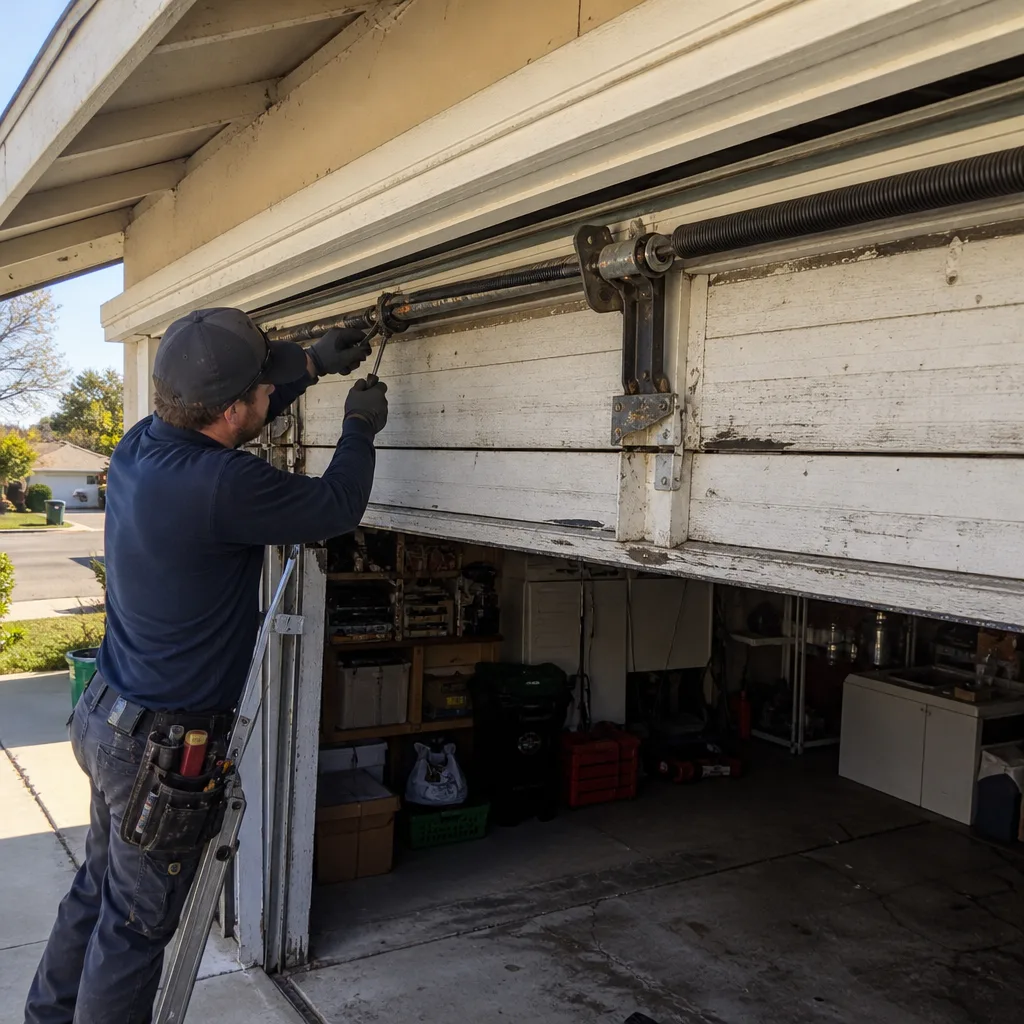 Before
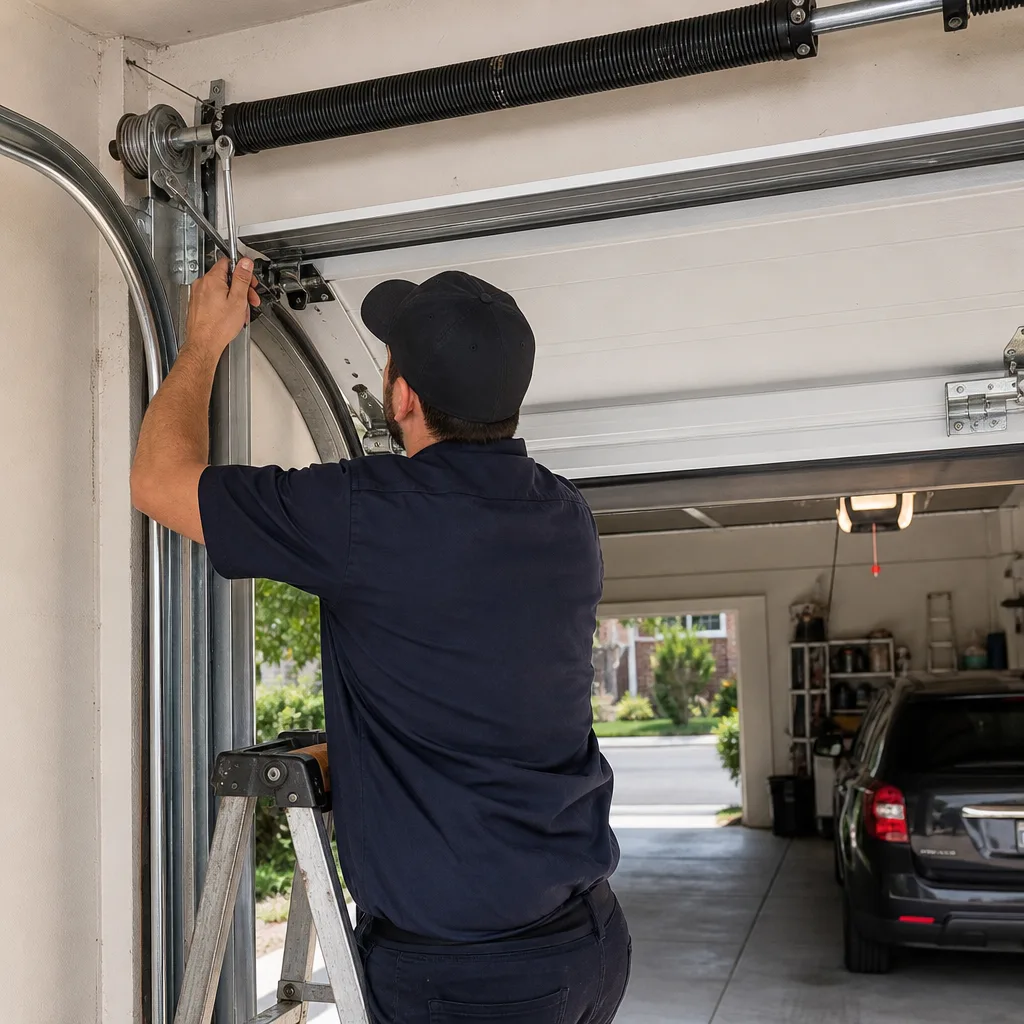 After
After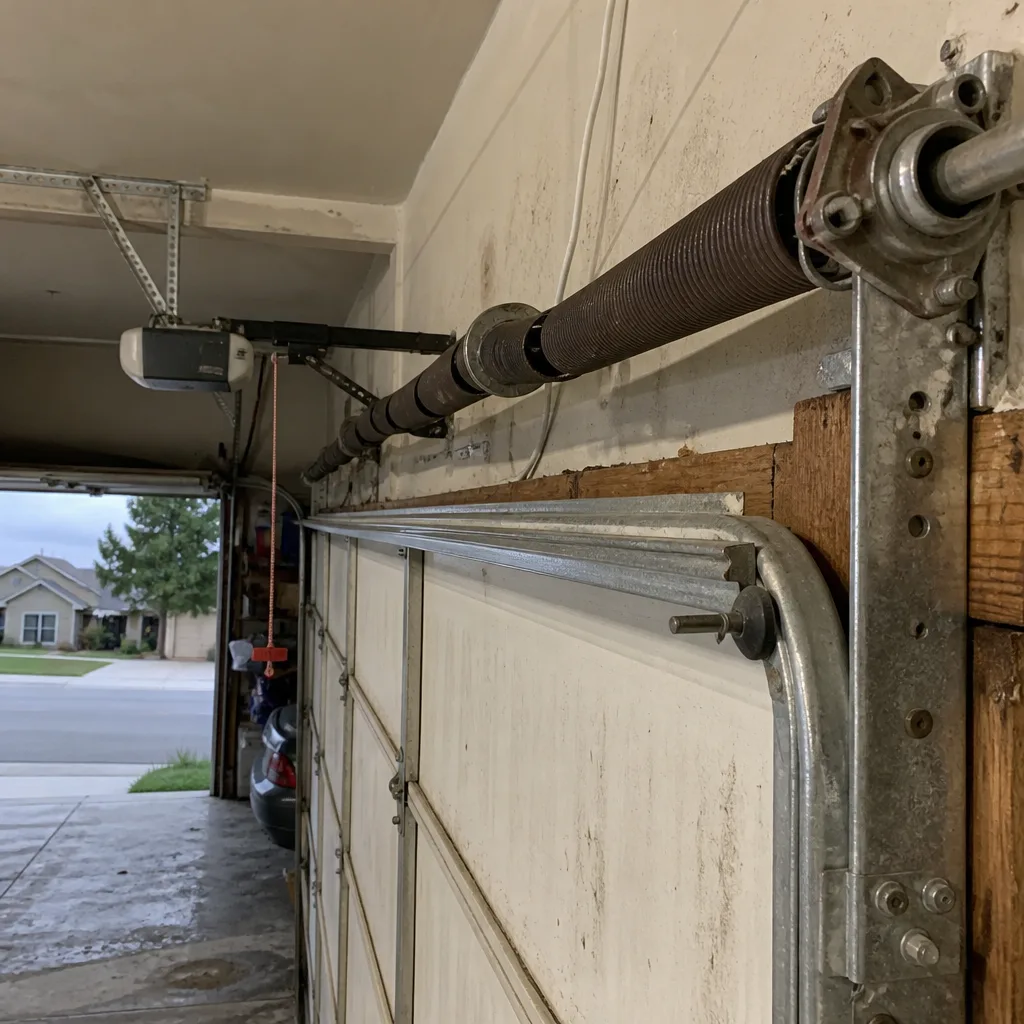 Before
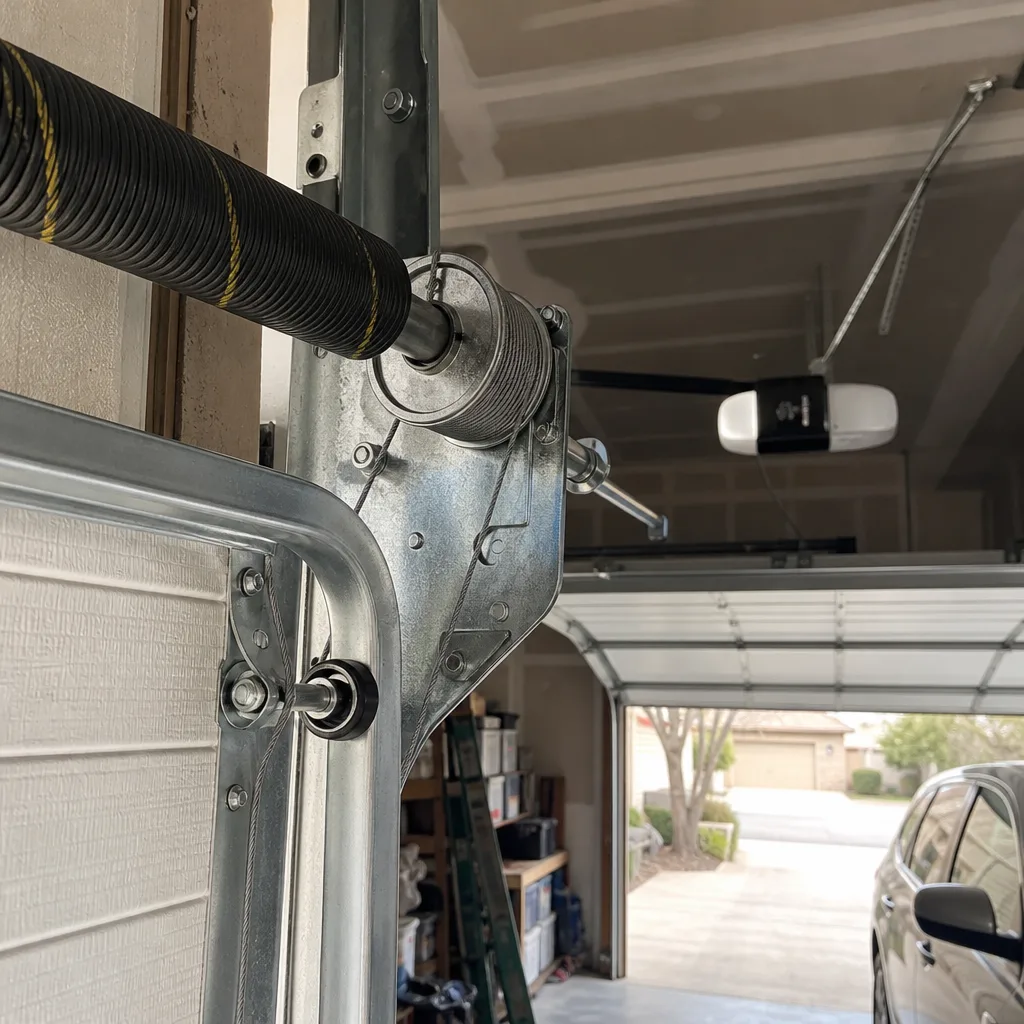 After
After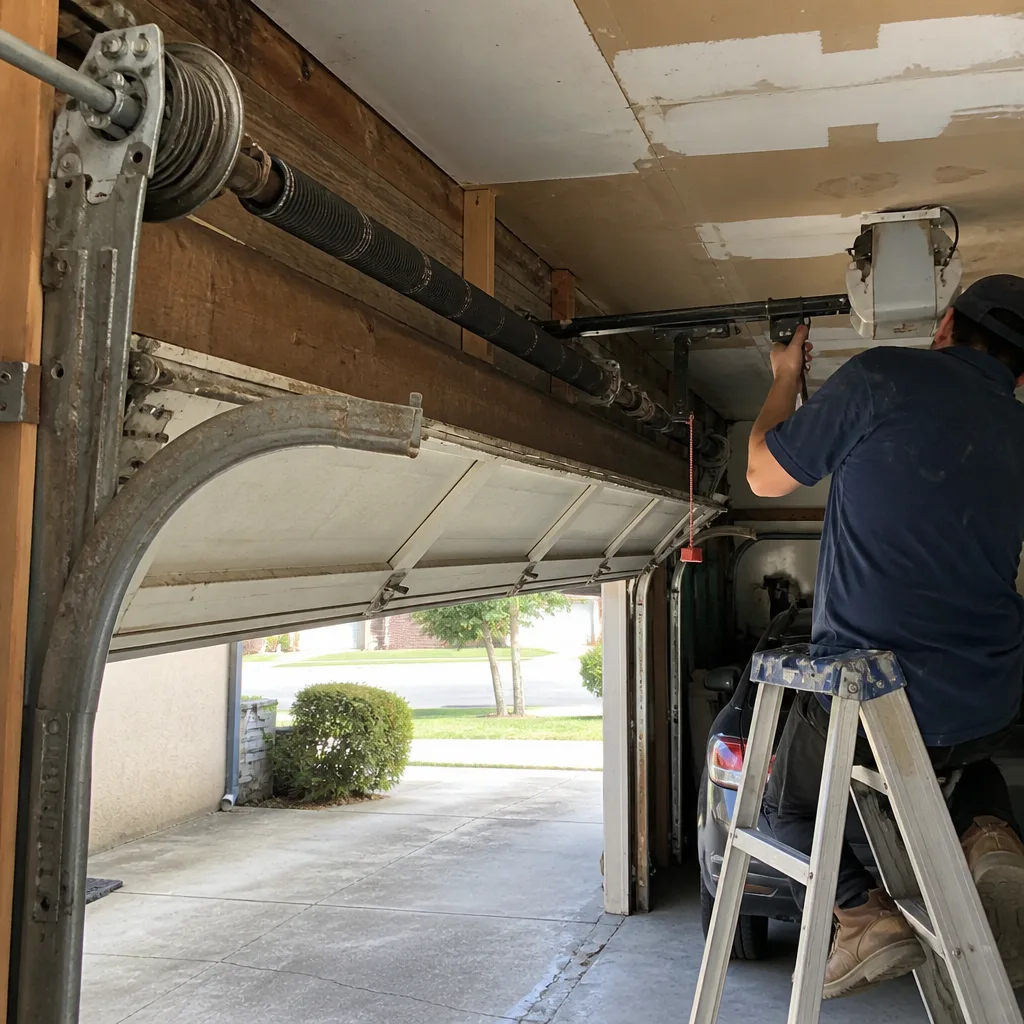 Before
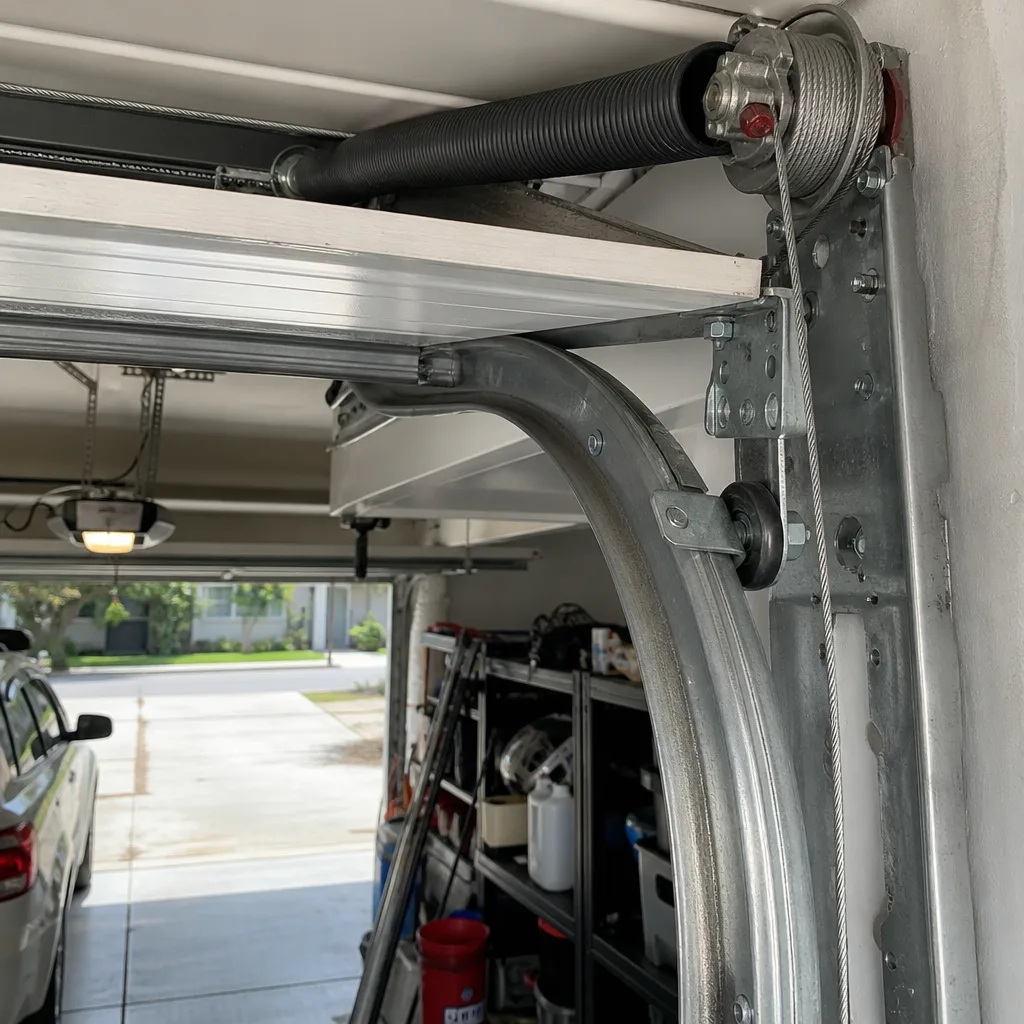 After
AfterCommon Mistakes to Avoid
- Lubricating the track instead of the rollers and hinges. The track is not a lubrication surface. Oiling it collects Central Valley dust and creates binding. You want the rollers and bearings lubed, not the rail the rollers ride on.
- Using WD-40 as a garage door lubricant. WD-40 is a cleaner and water displacer, not a long-term lubricant. It dries out and leaves bare metal. Use white lithium grease or a purpose-made garage door lubricant from the hardware store.
- Attempting spring work without the proper equipment. A winding bar is not a screwdriver handle or a piece of rebar. It’s a hardened steel rod machined to precise diameter. Improvising this tool is the single most common cause of DIY garage door injuries in Fresno.
- Adjusting the limit switch in large increments. A quarter turn at a time is the rule. Large turns overshoot and cause the door to slam or stop short. In some cases, overshooting the down limit damages the door panels and requires a door, not just an adjustment.
- Ignoring a door that’s getting louder. A noisy door in a Fresno summer is a warning, not a quirk. Increasing noise means friction somewhere in the system: bearing, roller, or spring. Ignoring it turns a $40 roller replacement into a snapped spring or a burned-out opener.
- Buying springs or parts before knowing your door’s spec. Ordering a spring online without knowing your door’s exact weight and model is like buying brake pads without knowing the car. The wrong spring can balance the door impossibly badly and create a safety hazard that was never there before you started.
- Assuming all garage door work is DIY-able because YouTube exists. The existence of a tutorial video does not mean the work is appropriate for you. Some jobs are dangerous regardless of how clearly they’re demonstrated. Torsion spring replacement is the best example: the video shows the procedure, but it cannot show the exact feel of a properly seated winding bar under load, and that feel is the thing that keeps your hand intact.
When to Call a Professional
You should call a professional for any spring work, any cable work, any bracket work, any track realignment, and any opener motor or board replacement. You should also call if your door makes a sound like a gunshot and then won’t move, if it moves unevenly or jerks on one side, or if it drops six inches or more when you release the opener. Any of these signals point to spring or cable failure, and those are not diagnose-as-you-go situations.
Beyond the safety list, call when the math says so: a door over 15 years old with multiple recent repairs, a door that won’t stay balanced even after your own adjustments, or a door where the opener is clearly beyond programming into full failure. Doyle Garage Doors Fresno offers free estimates on everything we install or repair. Call (559) 475-9590 for a written, no-obligation price in Fresno.
Frequently Asked Questions
No. Torsion spring replacement is not a DIY job under any circumstances, regardless of your skill level or the tools you own. The stored torque in a wound spring is between 300 and 500 foot-pounds, and a slip during winding or unwinding can turn a winding bar into a projectile. This is the one garage door repair where the injury rate among DIYers is both documented and serious. Call a professional and pay the $180 to $340 for a Fresno spring replacement.
You can safely lubricate the springs, hinges, and roller bearings every six months, align and wipe down the photo eye sensors, adjust the limit switch controls on your opener, and replace the rubber weather seal along the bottom of the door. These four tasks address the majority of routine garage door upkeep in Fresno without touching the spring system or the load-bearing cables.
Expect to pay between $180 and $340 for a standard torsion spring replacement in Fresno, $150 to $250 for most cable replacements, and $120 to $200 for sensor or limit switch related service calls. Full opener replacement typically ranges from $350 to $600 installed, depending on the opener model and whether it has battery backup or Wi-Fi capability. Every price from Doyle Garage Doors Fresno is written down and agreed before any work begins.
That depends on what the insurance company determines caused the damage. If damage occurred because you did unlicensed spring or cable work that created a known hazardous condition, the claim can be denied. California homeowner’s policies generally cover sudden and accidental damage, but they exclude damage resulting from intentional or grossly negligent maintenance decisions. If you’re not sure whether a repair falls into that category, the safest choice is professional service with a written record.
If your door is under 10 years old and this is the first major failure, repair makes sense. If your door is 15 years or older and has needed two or more repairs in the past 18 months, replacement is usually the smarter economic choice. Factor in panel condition, hardware age, and your timeline for selling the home. In Fresno’s hot market, a garage door in good condition returns value at resale more reliably than almost any other single home system.
We answer the phone with a live person around the clock, and we schedule repairs in Fresno with realistic timing based on the emergency level of your call. A snapped spring or hung door that blocks your car from leaving is an emergency, and we prioritize those calls. Call (559) 475-9590 for the fastest possible scheduling.
The Bottom Line
Garage door work splits into two clear categories. The things you can see, touch, and adjust without releasing spring tension are yours: lubricate, clean sensors, adjust limits, replace weather seals. The things that hold stored energy or carry load are a professional’s job: springs, cables, brackets, and tracks. Fresno’s climate punishes garage doors harder than most regions, so your maintenance matters twice. But knowing where the line is matters more. Do the safe work yourself, do it on schedule, and call Doyle Garage Doors Fresno when the work crosses into dangerous territory. A written price before work starts and a written one-year guarantee means there’s never a reason to gamble on a spring.
Written by Aaron Teague, Owner at Doyle Garage Doors Fresno, serving Fresno since 2001.