
Last updated October 16, 2026
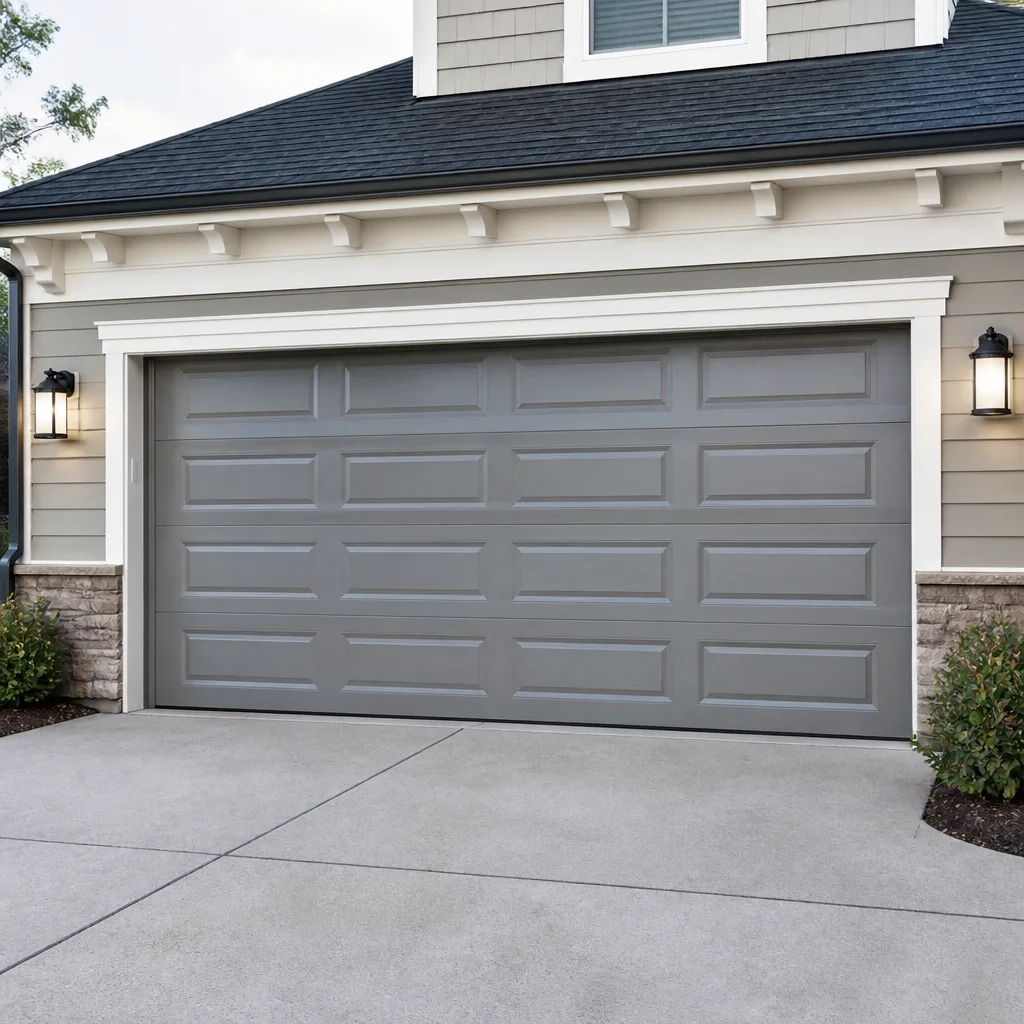 Raised-panel steel
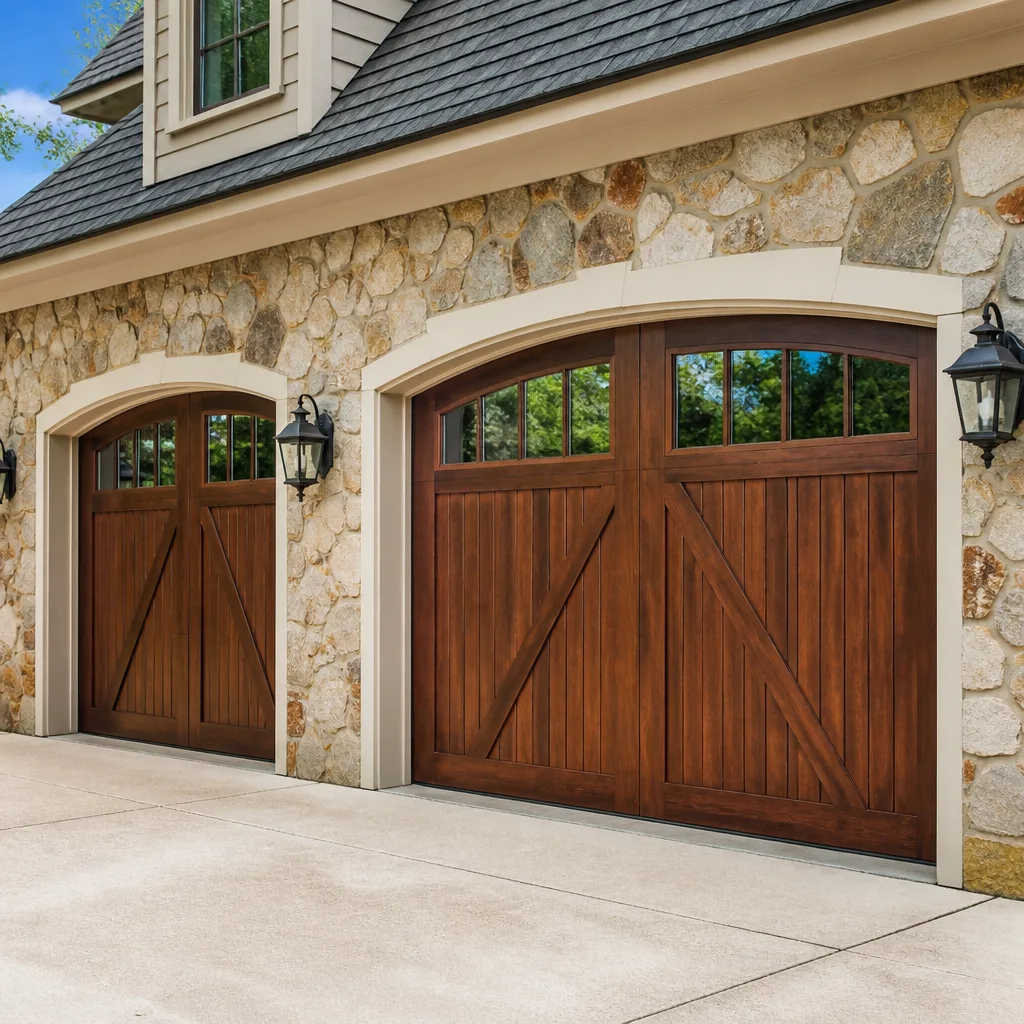 Carriage house
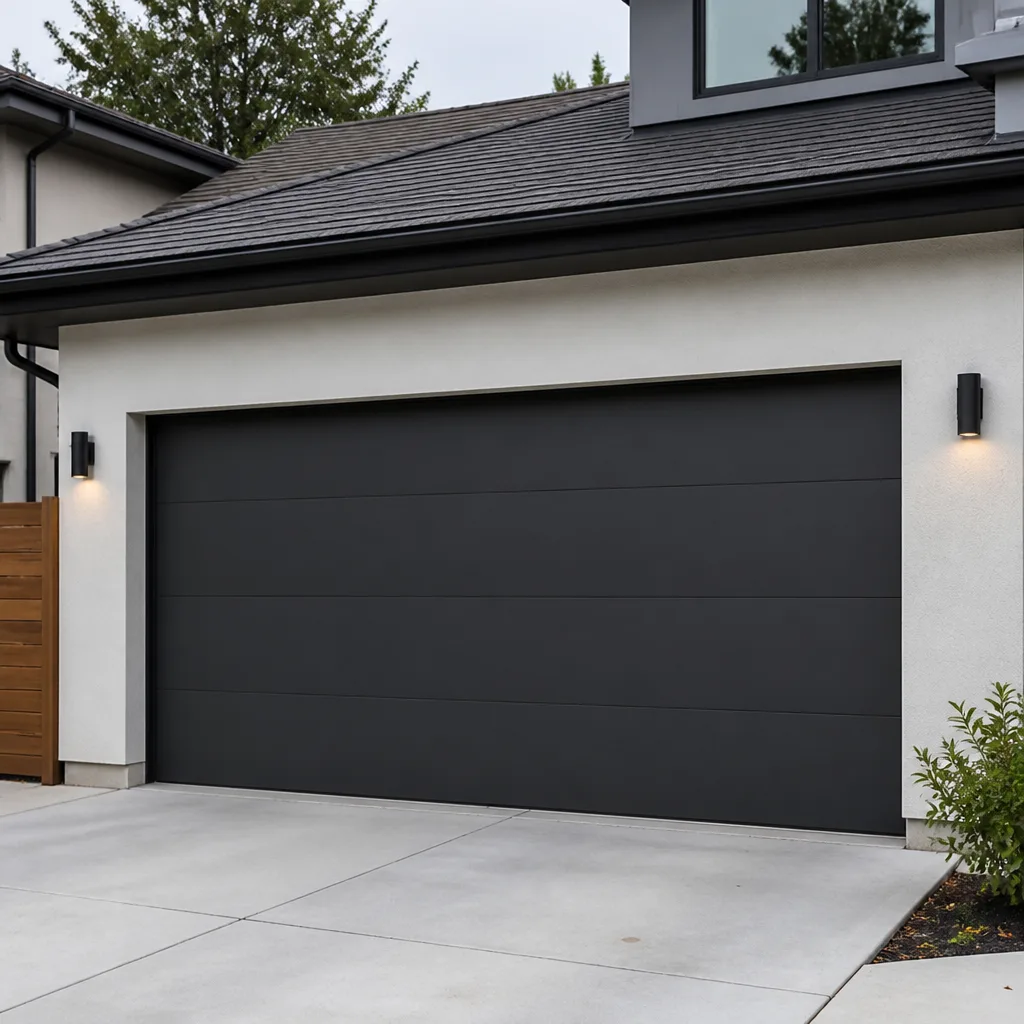 Modern flush
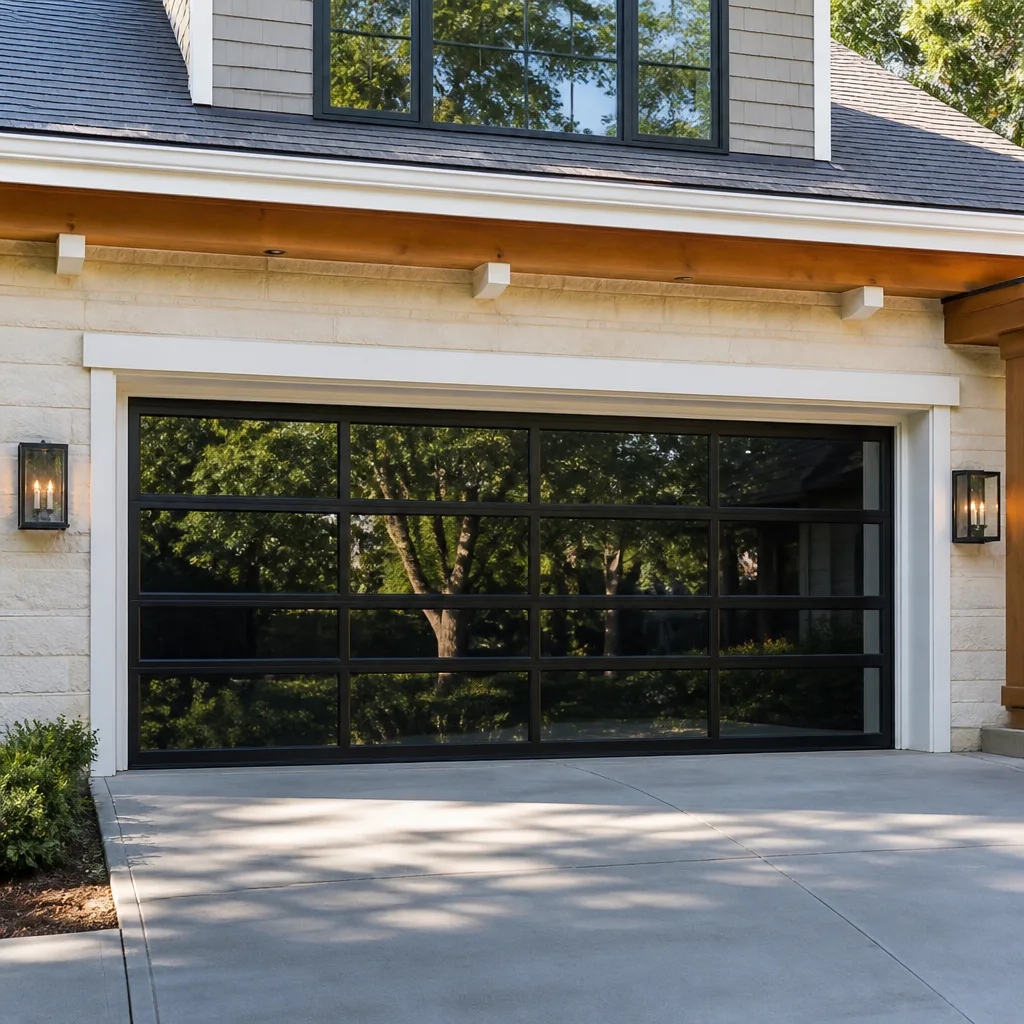 Full-view glass
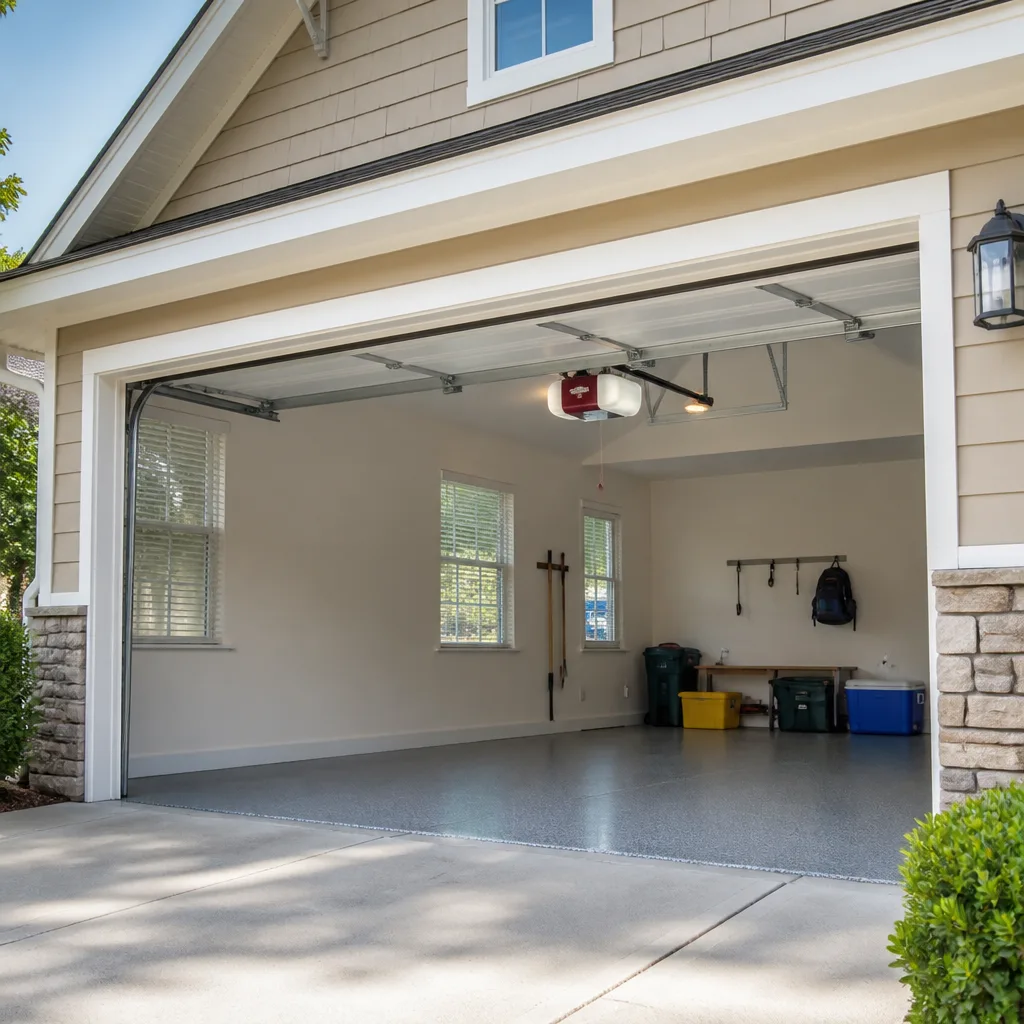 LiftMaster openers
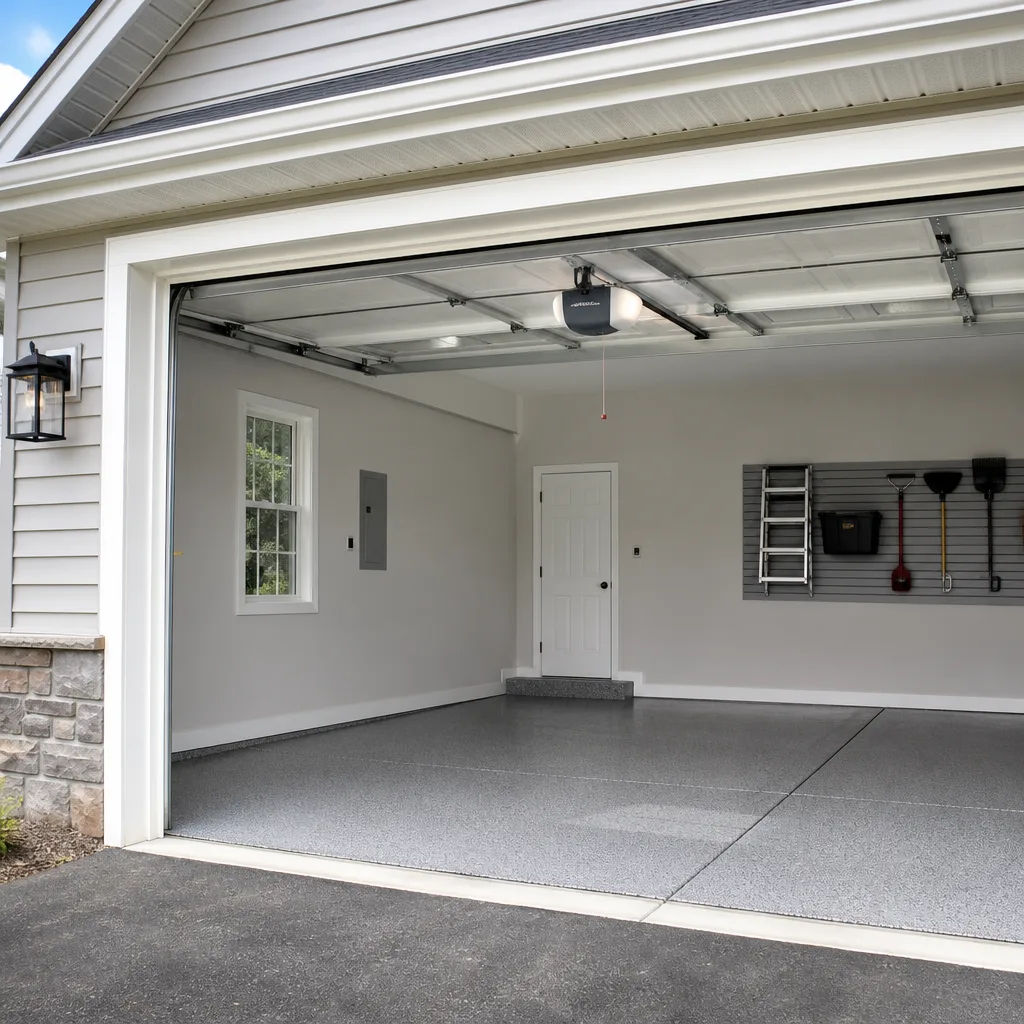 Chamberlain openers
Full 25-point door and opener safety check with every visit - springs, cables, rollers, tracks, and your LiftMaster or Chamberlain opener included
You get a price before we start. It does not change when the truck arrives.
Get your free estimateGarage Door Repair Maintenance Checklist for Fresno Homeowners
Fresno’s summer heat doesn’t just test your air conditioner. It cooks the lithium grease out of your garage door rollers, bakes the nylon bearings until they crack, and forces steel torsion springs through expansion and contraction cycles of 30°F or more in a single day. That repeated stress is why springs in the Central Valley fail faster than in almost any other California climate. This checklist is built around what actually breaks here, in the order it tends to break, so you can catch problems before they become a $400 emergency call.
Styles & brands we work with
Quick Answer
A garage door maintenance checklist for Fresno homeowners should focus on heat-related spring fatigue, alkaline dust buildup in roller bearings, and sensor misalignment, checked twice a year: once in March before summer heat arrives and once in October after the worst of it has passed. Lubricate moving parts with a silicone or lithium spray made for high-heat climates, leave the track itself completely dry, and test the auto-reverse safety feature monthly. If you see frayed cables or a gap in a torsion spring, stop using the door and call a Garage Door Repair professional immediately.
Table of Contents
- Why Fresno Weather Is Harder on Garage Doors Than the Coast
- The March Pre-Summer Checklist: What to Do Before the Heat Hits
- The October Post-Summer Checklist: What Breaks After Triple Digits
- What to Lubricate, What to Leave Dry, and What Product Actually Works in Fresno Heat
- How to Test Your Auto-Reverse and Photoelectric Sensors (The Correct Way)
- Visual Inspection of Cables and Springs: What to Look For Without Touching Anything
- The Call a Tech Now Trigger List: When to Stop Using the Door Today
- Common Mistakes to Avoid
- When to Call a Professional
- Frequently Asked Questions
- The Bottom Line
Why Fresno Weather Is Harder on Garage Doors Than the Coast
Most garage door maintenance guides are written by manufacturers in Ohio or Michigan, where the enemy is rust from road salt and frozen rollers in January. Fresno has a different set of problems entirely. Our climate attacks garage doors in three specific ways that generic checklists never address.
First, the heat. Fresno averages more than 30 days per year above 100°F. That sustained heat breaks down petroleum-based lubricants faster than anything else. A garage door facing west in neighborhoods like Woodward Park or Bullard gets direct afternoon sun for hours, and the metal door surface can reach 140°F or more. That heat transfers into the roller stems and hinges, thinning out the grease until metal grinds on metal.
Second, the dust. The alkaline dust that blows through the Central Valley, especially during dry spells and harvest season, works its way into roller bearings and hinge pins. It acts like a fine abrasive paste when mixed with whatever lubricant is left. In our 24 years of garage door repair in Fresno, we have pulled rollers out of doors in Clovis and Sunnyside that were packed with a gritty, gray sludge that once was grease.
Third, the temperature swings. A Fresno summer afternoon might hit 105°F, and a clear winter night can drop below freezing. That is a 70-degree daily swing some months of the year, and steel springs expand and contract with every one of those degrees. Torsion springs, the large coils mounted above the door that do most of the lifting, are rated for a certain number of cycles. Every open-and-close is one cycle. But heat stress adds fatigue on top of that normal count, which is why a spring rated for 10,000 cycles might only last 7,000 or 8,000 here.
The March Pre-Summer Checklist: What to Do Before the Heat Arrives
March is the single most important maintenance month in Fresno. The peak heat has not started, the air is still relatively mild, and you have about eight to ten weeks before daytime highs become unpleasant for working in an uninsulated garage. Get ahead of the heat with this five-step sequence, in order.
- Listen to the door during a full open and close cycle. Stand inside the garage and operate the door. A healthy door makes a low, even hum from the opener and a soft rolling sound from the wheels. Grinding, squealing, or a rhythmic thunk-thunk-thunk means a roller is failing or the door is out of balance.
- Lubricate all moving metal parts. More detail below, but the short version: springs, hinges, roller bearings, and the opener chain or screw. One pass in March will carry most doors through the worst of summer.
- Inspect the weather seal along the bottom of the door. This rubber strip, called the astragal, cracks and shrinks in high heat. A failing seal lets hot air, dust, and insects into the garage. If it feels brittle or you can see daylight under the door when it is closed, it is time to replace it.
- Tighten the door hardware. The constant vibration of daily opening and closing loosens hinge bolts and bracket screws over time. A socket wrench and ten minutes will save you from a hinge pulling loose mid-cycle later in the year.
- Test the balance. Pull the red release handle while the door is closed, then manually lift the door halfway. A properly balanced door stays put. If it drops, the springs are losing tension. If it shoots up, the springs are over-tensioned. Either way, door balance affects opener motor life and is worth checking before summer, when heat stress accelerates spring wear.
The October Post-Summer Checklist: What Breaks After Triple Digits
By October, Fresno has usually seen its last 100-degree day of the year. That is the moment to assess what the heat did to your door and prepare it for the cooler, damper months ahead. This second annual checkpoint catches problems before winter rain and fog add moisture to already-stressed components.
- Re-lubricate all moving parts. The grease you applied in March is largely gone by October. One more application before the weather shifts keeps rollers and hinges protected through winter.
- Check the torsion spring for a visible gap. Heat stress is cumulative, and September is when we see the most spring failures in Fresno. If the spring above the door has a two-inch gap in the coil, it is broken. Do not try to operate the door further. Call a professional.
- Inspect cables for rust or wear. The cables on each side of the door are under constant tension. Look for rust discoloration near the bottom bracket, which is where moisture collects in winter. Any rust means the cable is weakening.
- Clean the photoelectric sensors. Fall dust settles on the sensor lenses at the bottom of each door track. A quick wipe with a dry cloth keeps the auto-reverse system functioning correctly, which matters more as family schedules shift and kids are back in and out of the garage.
- Test the weather seal again. Winter rain in Fresno is not dramatic, but a garage that takes on water during a December storm can ruin whatever is stored on the floor. Replace any seal that cracked during summer heat.
What to Lubricate, What to Leave Dry, and What Product Actually Works in Fresno Heat
Lubrication is where most Fresno homeowners get garage door maintenance wrong. The mistakes are predictable: using WD-40 on everything, greasing the track, or using a heavy-duty grease that turns gummy in July. Here is exactly what belongs where.
Use a silicone-based or lithium-based spray lubricant. Not a penetrating oil like WD-40, which is a cleaner and rust dissolver, not a long-term lubricant. Not a thick axle grease, which attracts dust and hardens in heat. The right product is a spray with a thin consistency that penetrates into roller bearings and leaves a dry film. In Fresno’s heat, silicone spray holds up better than lithium over a full summer because it does not cook off as quickly.
Lubricate these parts:
- Hinge pins, where the door panels fold
- Roller bearings, where the wheel meets the stem (not the wheel surface itself)
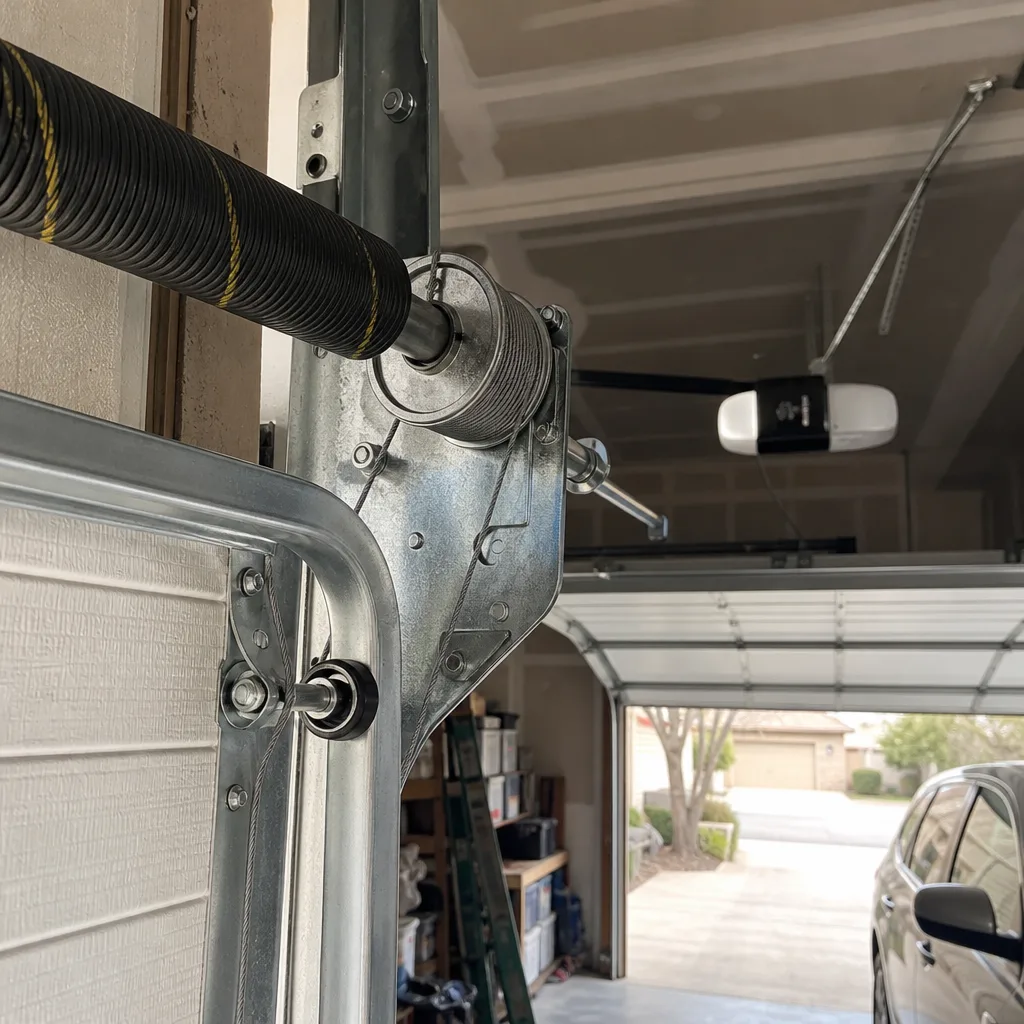
- The torsion spring coil above the door, along its full length
- The opener rail, chain, or screw drive, depending on your opener type
- The bearing plates at each end of the torsion tube
Leave these parts dry:
- The vertical and horizontal tracks. Lubricating the track does not help and creates a sticky surface that collects Fresno dust. If rollers are rolling, they do not need track grease.
- The rubber weather seal. Oil breaks down rubber. Leave it alone or clean it with a damp cloth.
- The photoelectric sensors. No lubricant, ever.
How to Test Your Auto-Reverse and Photoelectric Sensors (The Correct Way)
Since the early 1990s, federal law has required every automatic garage door opener to include an auto-reverse mechanism and photoelectric sensors. The California standard is specific: the door must reverse within two seconds of contacting a 1.25-inch object placed in its path, which simulates a child’s body. Testing this takes under five minutes and should be done monthly.
Test the photoelectric sensors first:
- Stand inside the garage with the door open.
- Press the wall button to close the door.
- Wave your foot through the beam between the two sensors at the bottom of the tracks while the door is closing.
- The door should reverse immediately and return to fully open. If it does not, clean the sensor lenses with a dry cloth and retest. If it still does not reverse, the sensors are misaligned or the wiring is failing, and the door is not safe to operate automatically.
Then test the auto-reverse force sensor:
- Place a roll of paper towels or a 2×4 board flat on the floor under the door’s path.
- Close the door on it from the wall button.
- The door should make contact and reverse within two seconds, returning to open.
- If it does not reverse, the opener’s force setting is too high. Do not adjust this yourself if you are unsure. A technician can adjust the force limiter correctly in minutes.
Every opener we install or repair during garage door opener repair in Fresno gets both of these tests before we hand the remote back.
Visual Inspection of Cables and Springs: What to Look For Without Touching Anything
The cables and torsion springs on a garage door operate under enough tension to cause serious injury or death if they let go. The rule we give every Fresno homeowner is simple: look with your eyes, never with your hands. If you see anything concerning, step away and call someone who does this work every day.
What to look for on the cables:
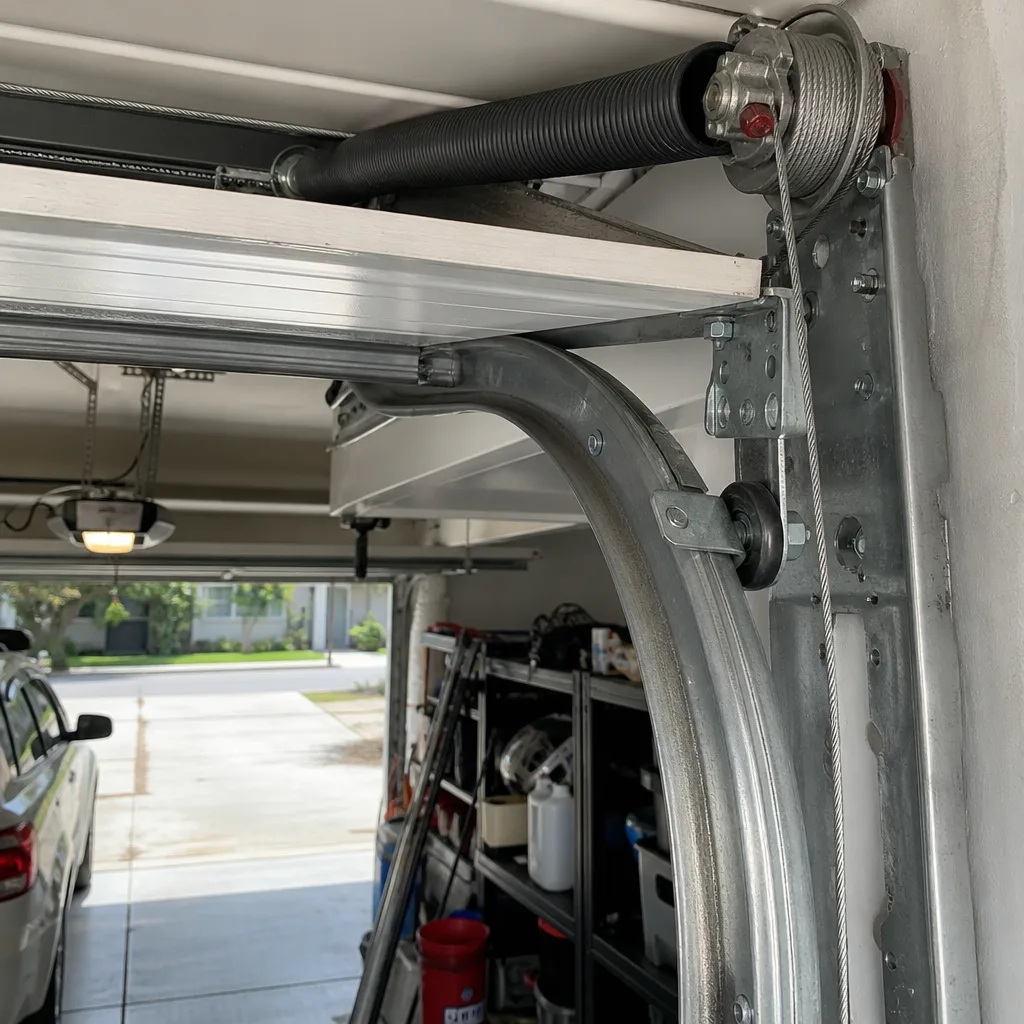
- Rust or corrosion, especially near the bottom bracket where the cable attaches
- Fraying, which looks like loose whiskers of wire sticking out from the cable body
- Any kink or permanent bend in the cable
- A cable that appears loose when the door is closed
What to look for on the torsion spring:
- A visible gap in the coil, meaning the spring is broken. A broken torsion spring leaves a two-to-three-inch separation in what should be a continuous spring
- Rust on the spring surface, which is more common on older doors in Fresno homes built before 1990
- Any sign the spring is not centered on the tube above the door
What to look for on the rollers:
- Metal rollers with flat spots or visible wear on the wheel
- Nylon rollers that are cracked, chipped, or wobbling on the stem
- Any roller that no longer touches the track evenly
If the visual inspection raises any question, do not pull the manual release and try to lift the door yourself with a suspect cable. A cable failure under load is unpredictable and violent.
The Call a Tech Now Trigger List: When to Stop Using the Door Today
Some findings from a self-inspection mean the door should not be operated until a professional has looked at it. Operating a door with any of these conditions risks further damage to the door system and, in some cases, a dangerous failure. Here is the list in order of urgency.
- Broken torsion spring. A visible gap in the coil. The door will not open safely, even manually, because the full weight of the door is now unsupported.
- Frayed or rusted cable. Any visible wire strands protruding from the cable body. A cable can snap at any moment, and when it does, the door drops.
- Door falls when released from the opener. This means the springs are failing or the door is severely out of balance. The opener motor is compensating for a problem, and the motor will eventually burn out.
- Auto-reverse test fails. A door that does not reverse when it hits an object is a legal and safety liability, full stop.
- Loud bang from the garage. A sound like a firecracker or a heavy thud while the door is operating often means a spring just broke mid-cycle. Do not operate the door again.
- Door is crooked or jerky in operation. A door that hesitates, shudders, or moves unevenly on one side suggests a failing cable, a broken spring, or a track that has come out of alignment.
When any of these conditions is present, a broken torsion spring repair in Fresno typically runs $180 to $340 including the spring and labor, cable replacement typically runs $150 to $250, and a full safety inspection with adjustments typically runs $85 to $150. Those ranges assume a standard residential door. Every price gets written down and handed over before any work starts.
Common Mistakes to Avoid
- Using WD-40 as a lubricant. WD-40 is a solvent and water displacer, not a lubricant. It strips away any remaining grease and leaves bare metal exposed to Fresno heat and dust.
- Greasing the track. The track is designed to guide the rollers, not to be coated. Grease on the track collects grit from Central Valley dust and turns into a grinding paste that accelerates roller wear.
- Ignoring squeaking sounds. A squealing roller is not a personality quirk. It is a metal-on-metal wear indicator that gets worse until the roller seizes, which then drags flat spots onto the roller and strains the opener.
- Skipping the balance test. The opener motor is not designed to lift the door’s full weight. It is designed to move a balanced door. Running an unbalanced door for months shortens opener life and overheats the motor, especially in a Fresno summer garage.
- Replacing only one spring when both are worn. Doors with two springs should have both replaced together, even if only one has failed. A new spring next to an old spring puts uneven load on the system and you will be back in the same spot within a year.
- Trying to adjust or remove a torsion spring without proper tools. This is the one mistake on this list that can be fatal. Torsion springs are under enormous tension, and a slip during DIY work can release that energy into whatever is in the way. We recommend leaving any spring work to someone with the right winding bars and the right training.
When to Call a Professional
Some maintenance items are appropriate for any careful homeowner: lubrication, sensor cleaning, listening for abnormal sounds, visual inspection. Others cross a line into dangerous territory. Spring replacement, cable replacement, track realignment, and opener force adjustments all require tools and experience that most homeowners do not have, and the consequences of getting it wrong include property damage, personal injury, and worse. If you have gone through this checklist and found anything on the trigger list, the door should be serviced before it is used again. Doyle Garage Doors Fresno offers free estimates throughout the Fresno area, including Clovis, Woodward Park, Sunnyside, and Tower District. Call (559) 475-9590 and a real person answers, day or night.
Frequently Asked Questions
Twice a year minimum: once in March before summer heat and once in October after triple-digit temperatures have ended. A silicone or lithium spray applied to hinges, roller bearings, and the torsion spring takes about ten minutes and prevents most heat-related wear. If your door faces west and gets direct afternoon sun, a third application in July is reasonable.
Torsion spring replacement in Fresno typically costs between $180 and $340 for a standard residential door, including the spring and labor. If the door has two springs, both are replaced together even if only one is broken. The exact price depends on spring size and door weight. Call (559) 475-9590 for a precise quote, and remember every price is written down before work begins.
We do not recommend it. Torsion springs are under enough tension to cause serious injury or death if the spring lets go during winding. The job requires specialized winding bars, knowledge of spring sizing, and experience reading door balance. It is the single most dangerous repair on a garage door system, and the cost of professional replacement is far lower than the cost of a hospital visit.
A door that appears crooked or hesitant on one side is usually telling you a cable is failing, a spring is losing tension, or a track bracket has come loose. It is not a cosmetic issue. Continuing to operate the door can cause the cable to snap, which drops the door’s weight onto the remaining hardware. Stop using the door and have it inspected.
Heat can cause the metal track to expand slightly, misaligning the photoelectric sensors at the bottom of each track. When the sensor beam is interrupted, the opener reads it as an obstruction and reverses. Cleaning the sensor lenses and verifying alignment fixes most cases. If the problem persists through cooler weather, the sensors or wiring may need replacement.
Yes. We are factory-trained to service LiftMaster, Chamberlain, Genie, Clopay, Amarr, Wayne Dalton, Craftsman, and Raynor equipment. We also install new garage doors in Fresno from several of those manufacturers. Whether your door is original to a 1995 Tower District home or a newer install in a Clovis development, we work on it.
The Bottom Line
A garage door in Fresno takes more abuse in one year than a coastal door takes in three. The heat, the dust, and the temperature swings combine to shorten spring life, cook off lubricants, and strain opener motors. The maintenance routine that prevents most failures is simple: lubricate twice a year, test the auto-reverse monthly, listen for sounds that should not be there, and inspect the cables and springs with your eyes only. For more guides & resources, visit our blog. When something is wrong, stop using the door and call someone who does this for a living. You will spend less in the long run, and you will not be the person standing in the driveway at 7 a.m. with a door that will not open and a car trapped in the garage.
Written by Aaron Teague, Owner at Doyle Garage Doors Fresno, serving Fresno since 2001.
See the difference
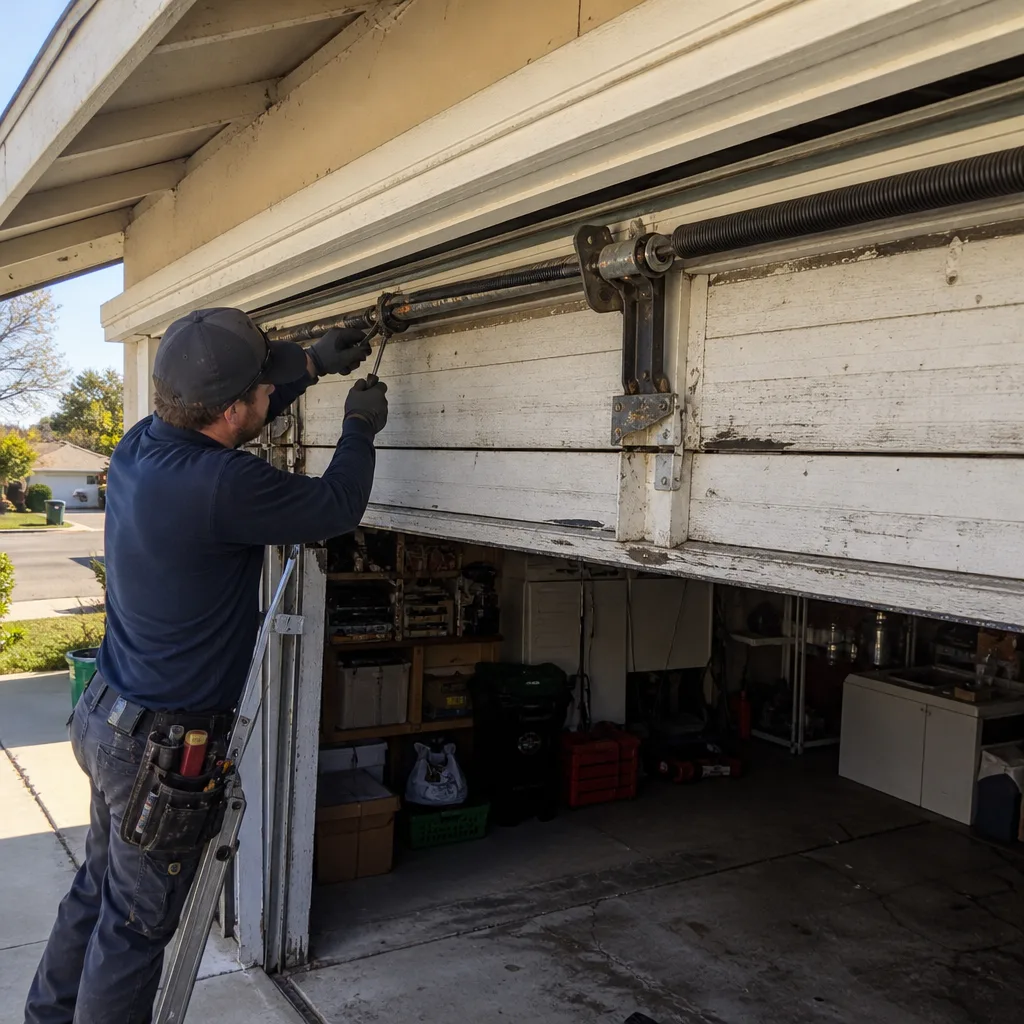 Before
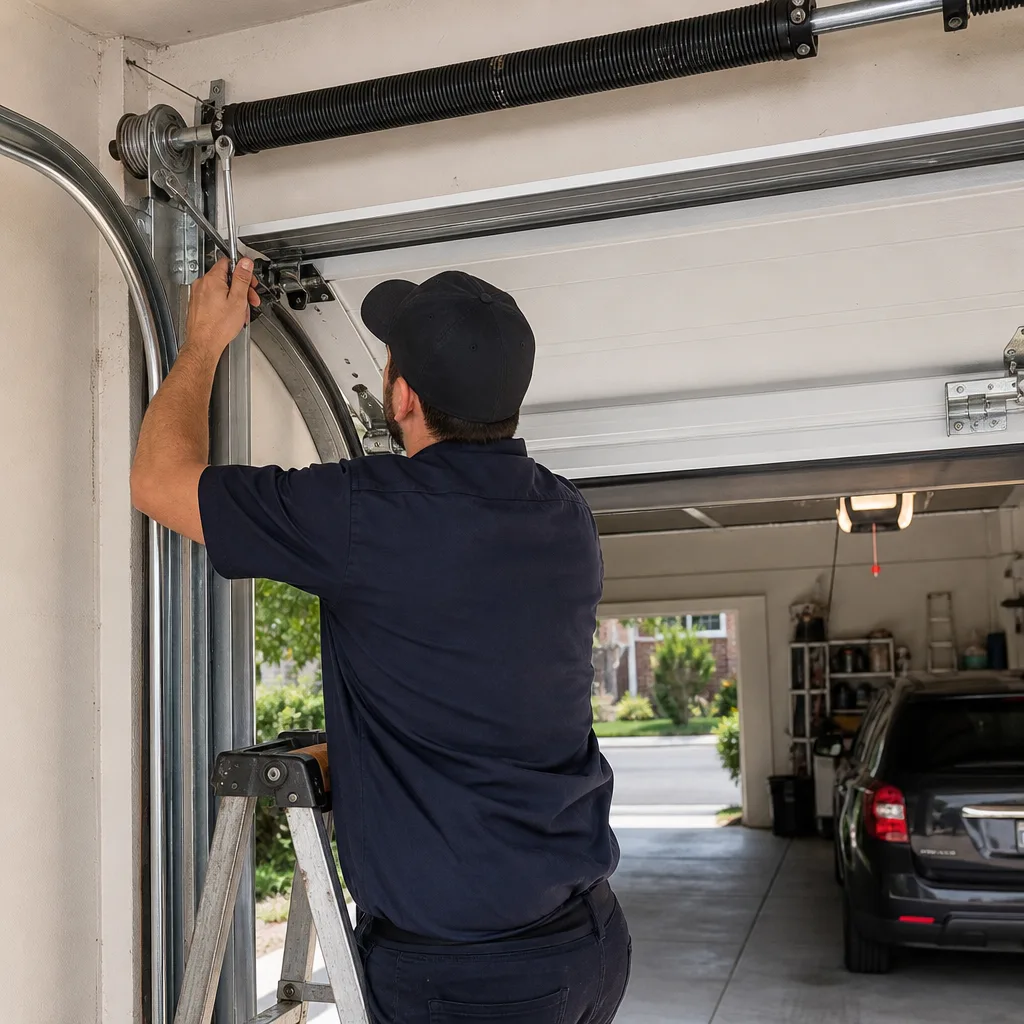 After
After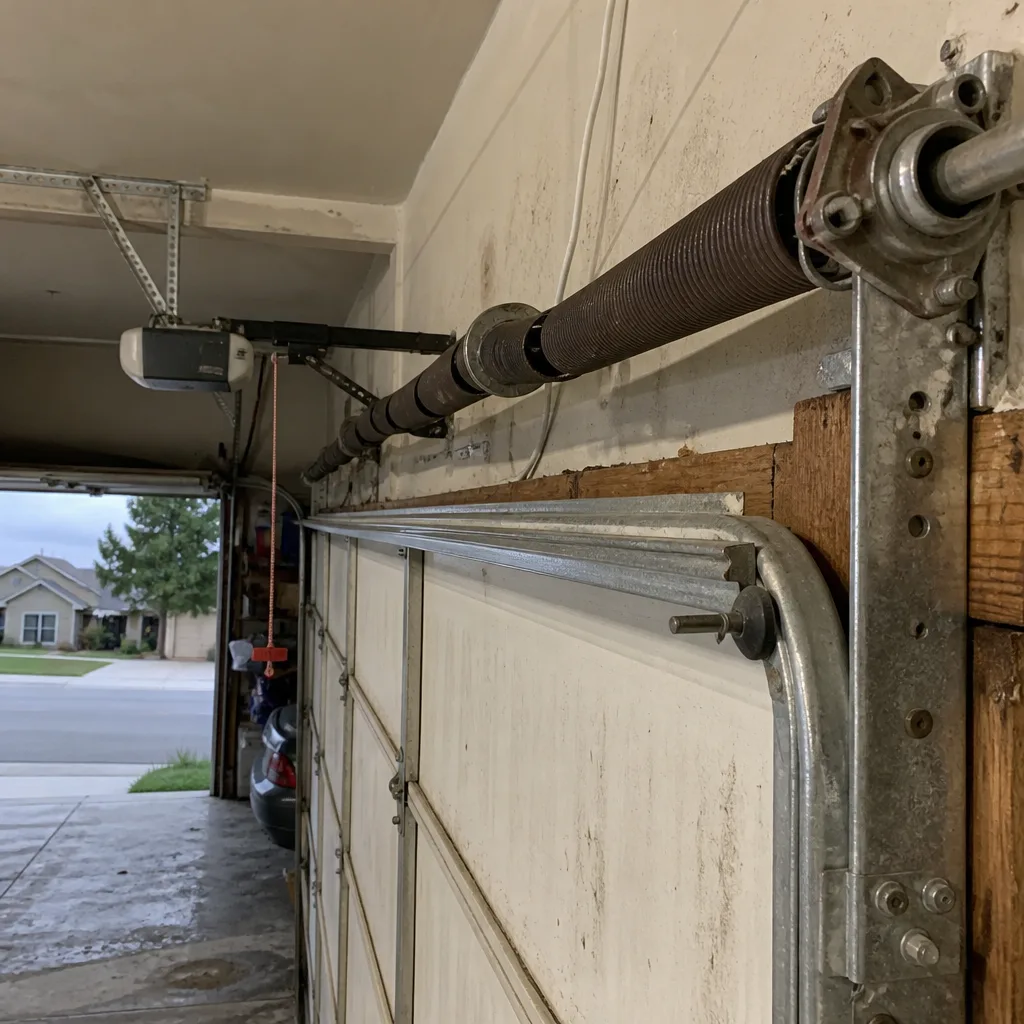 Before
 After
After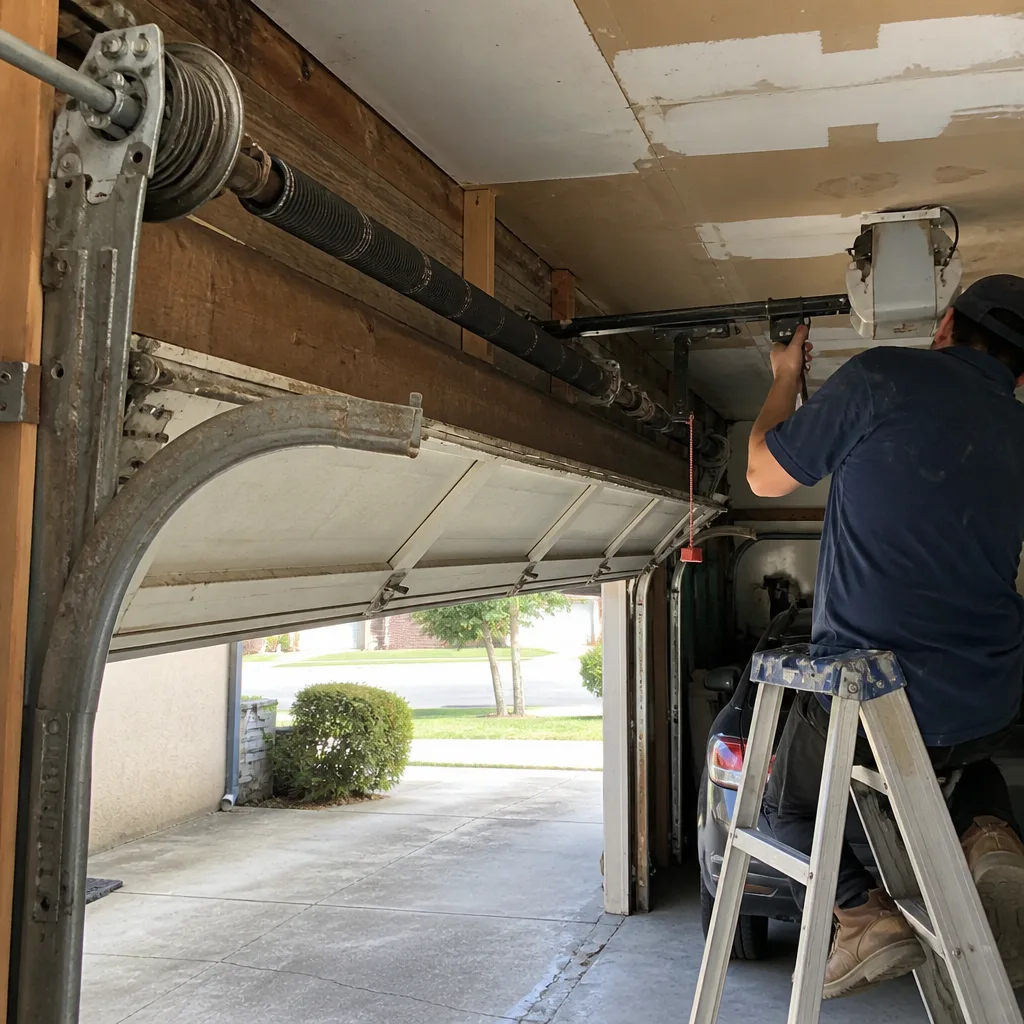 Before
 After
After